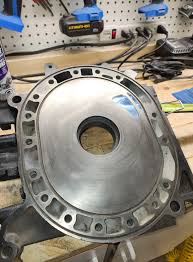
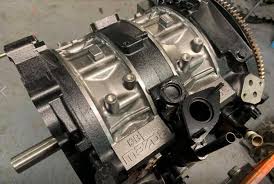
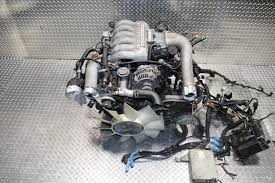
1984 Mazda 12A Rotary Engine Buyer’s Guide: What to Check Before You Buy
The search for a clean, running 12A rotary engine has become increasingly difficult over the last few years. As classic Mazda RX models continue to rise in value, original rotary engines are becoming harder to find — especially complete running examples with good compression.
If you’ve been searching for a 1984 Mazda 12A rotary engine for sale, you’ve probably already noticed a huge difference in quality between listings. Some engines are genuinely healthy survivors, while others are worn-out cores advertised as “good runners.”
That’s why knowing what to inspect before buying is critical.
The Mazda 12A rotary engine is legendary for its lightweight design, smooth power delivery, high-revving personality, and unmistakable rotary sound. But like every rotary engine, condition matters far more than mileage alone.
In this detailed buyer’s guide, we’ll cover:
- How to inspect a used 12A rotary engine
- What “good compression” actually means
- Common problems to watch for
- Signs of a quality rebuild
- Important questions to ask sellers
- Pricing expectations in 2026
- Best upgrades and maintenance tips
Whether you’re restoring a classic RX-7, building a period-correct rotary project, or looking for a reliable spare engine, this guide will help you make a smarter purchase.
Why the 1984 Mazda 12A Rotary Engine Still Matters
1984 Mazda 12A Rotary Engine for Sale: Why Enthusiasts Still Want Them
The Mazda 12A engine played a major role in establishing rotary performance culture.
Found in early RX-series cars, the 12A became known for:
- Lightweight construction
- High RPM capability
- Smooth power delivery
- Excellent throttle response
- Strong tuning potential
Even decades later, enthusiasts still seek out original 12A engines for:
- RX-7 restorations
- Vintage Mazda builds
- Street projects
- Historic motorsport
- Rotary collections
A healthy 12A engine delivers a driving experience modern engines simply can’t replicate.
Understanding the 12A Rotary Engine
Before buying, it helps to understand what makes the 12A unique.
Unlike piston engines, rotary engines use spinning rotors instead of reciprocating pistons.
The 12A features:
- Twin-rotor rotary design
- Compact engine dimensions
- Lightweight aluminum construction
- High-revving operation
- Simple mechanical layout
Because of its compact size, the 12A became popular in motorsports and lightweight performance builds.
What Does “Good Compression” Mean on a 12A?
Compression is the single most important factor when evaluating a used rotary engine.
A rotary engine can look clean externally but still have poor internal health.
Why Compression Matters
Compression directly affects:
- Starting performance
- Idle quality
- Power output
- Fuel efficiency
- Overall reliability
Low compression often indicates:
- Worn apex seals
- Housing wear
- Rotor damage
- Side seal wear
Ideal Compression Numbers
A healthy 12A rotary engine should show:
- Even compression across all faces
- Strong hot-start performance
- Stable idle behavior
Consistency matters more than a single high reading.
If one rotor face is significantly lower than the others, internal wear may already be developing.
Questions to Ask Before Buying
Never buy a rotary engine without asking detailed questions.
A good seller should provide clear information about the engine’s condition and history.
Important Questions to Ask
Has the Engine Been Rebuilt?
If yes, ask:
- Who rebuilt it?
- When was it rebuilt?
- What parts were replaced?
- Were new apex seals installed?
Was Compression Tested Recently?
Ask for:
- Compression test numbers
- Test method used
- Cold vs hot test conditions
Is the Engine Complete?
Some listings include:
- Intake manifold
- Carburetor
- Distributor
- Flywheel
- Exhaust manifold
Others may only include a long block.
Was the Engine Running Before Removal?
Running pull engines are usually safer purchases than engines sitting for years.
Visual Inspection Checklist
Even before hearing the engine run, visual inspection reveals a lot.
Signs of a Healthy 12A
Clean Rotor Housings
Excessive corrosion or coolant residue may indicate internal damage.
Minimal Oil Leaks
Minor seepage is common on older rotary engines.
Heavy leaks can suggest poor maintenance.
Factory Hardware and Wiring
Untouched original hardware often indicates the engine hasn’t been heavily abused.
Smooth Pulley Rotation
The engine should rotate smoothly without binding.
Warning Signs to Avoid
Some problems should immediately raise concerns.
Red Flags When Buying a Used 12A
Excessive RTV Sealant
Heavy silicone use often hides poor workmanship.
Missing Components
Incomplete engines can become expensive quickly.
Rust Inside Ports
Internal rust may indicate long-term moisture exposure.
Unknown Compression
Avoid sellers who refuse to provide compression details.
Common 12A Rotary Engine Problems
The 12A is durable when maintained properly, but there are several common issues buyers should know about.
Apex Seal Wear
Apex seals are critical to rotary compression.
Worn seals may cause:
- Hard starting
- Weak idle
- Power loss
- Poor compression
Cooling Problems
Rotary engines hate overheating.
Past overheating can damage:
- Rotor housings
- Seals
- Side plates
Always inspect for signs of coolant leaks or heat damage.
Carbon Buildup
Carbon accumulation may cause:
- Sticking seals
- Reduced efficiency
- Rough idle
Oil Consumption
Rotary engines naturally consume oil by design.
However, excessive smoke may indicate internal wear.
Should You Buy a Rebuilt 12A Engine?
A properly rebuilt rotary engine can be an excellent investment.
But rebuild quality varies dramatically.
What Makes a Good Rebuild?
Quality Apex Seals
Cheap seals often fail prematurely.
Machined or Refinished Housings
Professional rebuilds usually include housing inspection and resurfacing.
Balanced Rotating Assembly
Proper balancing improves smoothness and longevity.
Documented Build Process
Receipts and photos add confidence.
Best Uses for a 12A Rotary Engine
The 12A remains popular for several types of projects.
RX-7 Restorations
Factory-correct restorations often require original 12A engines.
Lightweight Track Cars
The compact rotary design improves chassis balance.
Vintage Motorsport
Historic racing enthusiasts still value authentic rotary setups.
Street Builds
A healthy street-port 12A remains incredibly fun to drive.
Best Upgrades for Reliability
Even stock-style builds benefit from modern upgrades.
Recommended Reliability Mods
Aluminum Radiator
Improves cooling performance significantly.
Modern Ignition Components
Strong ignition improves combustion and reliability.
Oil Cooler Upgrades
Additional cooling protects the engine during spirited driving.
Proper Premix
Many rotary owners premix small amounts of two-stroke oil for additional lubrication.
Pricing Expectations in 2026
12A engine prices continue climbing due to rarity and collector demand.
Typical Market Prices
Prices vary depending on:
- Compression
- Completeness
- Rebuild status
- Originality
- Running condition
Low-mileage, running engines with documented compression usually command premium prices.
Why Original 12A Engines Are Becoming Rare
Many original engines were:
- Swapped for 13B setups
- Used in motorsports
- Poorly maintained
- Scrapped years ago
As a result, surviving quality examples are increasingly desirable.
Shipping Considerations
Rotary engines require careful packaging during transport.
Important Shipping Tips
Use Secure Engine Crating
Proper crates prevent housing damage.
Drain Fluids Before Shipping
This helps prevent leaks during transit.
Verify Included Accessories
Always confirm exactly what’s included before purchase.
What Makes the 12A Special to Drive?
Modern turbocharged engines may produce more power, but the 12A offers something different.
The engine feels:
- Smooth
- Responsive
- Mechanical
- Lightweight
- High-revving
The unique rotary sound and throttle response continue attracting enthusiasts worldwide.
FAQ Section
What is a good compression reading for a 12A rotary engine?
Good compression means even readings across all rotor faces with healthy hot-start behavior and smooth idle quality.
Is the 12A rotary engine reliable?
Yes, when properly maintained and kept cool, the 12A can be surprisingly reliable.
Are 12A rotary engines hard to find?
Yes. Original running 12A engines are becoming increasingly rare, especially complete engines with documented compression.
Can you daily drive a 12A rotary engine?
Many enthusiasts still daily drive rotary-powered Mazdas, though maintenance requirements are different from piston engines.
Is a rebuilt 12A worth buying?
A professionally rebuilt engine with documentation can be an excellent long-term investment.
Conclusion
Buying a classic rotary engine requires patience, knowledge, and careful inspection.
When searching for a 1984 Mazda 12A rotary engine for sale, compression, cooling history, rebuild quality, and seller transparency matter far more than appearance alone.
A healthy 12A engine remains one of the most rewarding classic Mazda powerplants ever built. The lightweight design, sharp throttle response, and unmistakable rotary character continue making these engines highly desirable among enthusiasts worldwide.
Take your time, ask detailed questions, inspect carefully, and prioritize documented engine history whenever possible.
A properly maintained 12A isn’t just an engine — it’s a piece of Mazda performance history.
Looking for a running Mazda 12A rotary engine with good compression?
Browse our inventory of rotary engines, RX-series components, performance upgrades, rebuild parts, and rare Mazda rotary accessories for classic and modern rotary projects.
Ignore section
1984 Mazda 12A rotary engine for sale
1984 Mazda 12A rotary engine for sale
1984 Mazda 12A rotary engine for sale
1984 Mazda 12A rotary engine for sale
1984 Mazda 12A rotary engine for sale
1984 Mazda 12A rotary engine for sale
1984 Mazda 12A rotary engine for sale
1984 Mazda 12A rotary engine for sale
1984 Mazda 12A rotary engine for sale
1984 Mazda 12A rotary engine for sale