Mazda 20B horsepower limits, How Much Horsepower Can a Mazda 20B 3-Rotor Engine Handle?
Introduction
The Mazda 20B has become one of the most legendary rotary engines ever built, and one question continues to dominate rotary discussions worldwide: what are the real Mazda 20B horsepower limits?
Whether you are planning a high-horsepower RX-7 build, a drift car, a drag setup, or a custom 3-rotor project, understanding the power capability of the 20B is critical before spending serious money on parts and tuning.
The truth is, the 20B can handle impressive horsepower numbers when properly built. However, there is a massive difference between what a stock 20B can survive and what a fully built 20B race engine can reliably support.
In this guide, we will break down the real-world horsepower limits of the Mazda 20B 3-rotor engine, including stock power levels, safe boost numbers, supporting modifications, reliability concerns, turbo setups, fuel requirements, and what separates a reliable high-horsepower build from a catastrophic engine failure.
If you are serious about rotary performance in 2026, this is the guide you need before building or buying a 20B setup.
H2: Mazda 20B Horsepower Limits — How Much Power Can a 20B Really Handle?
The Mazda 20B is capable of handling significantly more horsepower than most factory rotary engines.
General Power Ranges
| Engine Setup | Approximate Horsepower |
|---|---|
| Stock 20B | 280–350 HP |
| Mild Street Build | 450–600 HP |
| Built Street/Track Setup | 700–900 HP |
| Fully Built Race Engine | 1000–1500+ HP |
The exact horsepower limit depends on:
- Engine condition
- Turbo setup
- Fuel system
- Cooling system
- Tuning quality
- Internal modifications
- RPM limits
Unlike piston engines, rotary horsepower capability depends heavily on heat management and tuning precision.
Understanding the Mazda 20B Engine
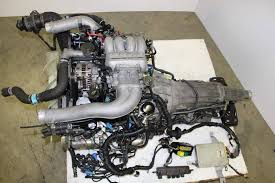
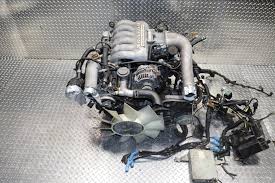
The 20B is a three-rotor rotary engine originally produced by Mazda for the Eunos Cosmo luxury coupe.
Basic 20B Specifications
- 3 rotors
- 1962cc displacement
- Sequential twin turbos
- Aluminum construction
- Electronic fuel injection
- Rear-wheel-drive configuration
Because the engine uses three rotors instead of two, it naturally:
- Moves more air
- Produces smoother torque
- Generates more exhaust flow
- Supports larger turbo systems more efficiently
This gives the 20B a major advantage in high-horsepower applications.
Stock Mazda 20B Horsepower Capability
A factory 20B engine was officially rated around 276 horsepower due to Japanese regulations during the 1990s.
However, real-world dyno numbers often show:
- 300–320 crank horsepower
- Strong torque delivery
- Smooth high-RPM performance
How Much Power Can a Stock 20B Safely Handle?
A healthy stock 20B can usually support:
- 400–500 HP safely with proper tuning
- Around 600 HP on conservative setups
Beyond that level, reliability starts becoming heavily dependent on:
- Fuel quality
- Cooling
- RPM management
- Internal upgrades
Why the 20B Handles Power So Well
Several factors make the 20B extremely capable at high horsepower levels.
Three-Rotor Design
The extra rotor helps distribute stress more evenly.
Benefits include:
- Smoother operation
- Better airflow
- Improved torque production
- Reduced strain per rotor
Excellent Airflow Characteristics
The 20B breathes extremely well at high RPM.
This makes it ideal for:
- Large turbochargers
- High boost
- Drag racing
- High-speed applications
Strong Factory Architecture
Mazda engineered the 20B for luxury grand touring performance, which resulted in:
- Durable housings
- Strong rotating assembly
- Smooth operation under boost
What Usually Fails First on High-HP 20B Builds?
Even though the 20B is strong, certain components become weak points at extreme horsepower levels.
Apex Seals
Apex seals are the most common failure point.
High boost and detonation can:
- Crack seals
- Damage rotor housings
- Reduce compression
Modern aftermarket apex seals dramatically improve durability.
Rotor Housings
Excessive heat can damage housings.
Common issues include:
- Chatter marks
- Surface scoring
- Warping
- Cracking
Good cooling becomes essential above 700 HP.
Eccentric Shaft Stress
At very high power levels, the eccentric shaft experiences massive loads.
Serious race builds often upgrade to:
- Billet eccentric shafts
- Balanced rotating assemblies
Heat Management Problems
Heat is the biggest enemy of any rotary engine.
High-horsepower 20B setups require:
- Large radiators
- Dual oil coolers
- Proper ducting
- High-quality coolant systems
Poor heat management destroys rotary engines quickly.
Safe Horsepower Levels for Different 20B Setups
Stock Internal 20B
Recommended Range
- 400–500 HP
Maximum Aggressive Limit
- Around 600 HP
This setup works well for:
- Street builds
- Weekend cars
- Mild track use
Street-Ported 20B
Street-porting improves airflow without sacrificing too much drivability.
Typical Capability
- 500–700 HP
Excellent for:
- Fast street cars
- Drift builds
- Responsive turbo setups
Bridge-Ported 20B
Bridge porting dramatically increases airflow and RPM capability.
Typical Capability
- 700–1000 HP
Requires:
- Aggressive tuning
- Larger turbo systems
- Strong fuel systems
Fully Built Race 20B
Race-oriented engines can exceed 1000 horsepower.
Typical upgrades include:
- Billet eccentric shaft
- Solid dowels
- Peripheral porting
- Aftermarket rotors
- Dry sump systems
Some extreme drag builds exceed 1500 horsepower.
Turbocharger Selection and Mazda 20B horsepower limits
Turbo size plays a huge role in determining horsepower capability.
Small Turbo Setups
Benefits
- Faster spool
- Better street response
- Lower stress
Typical Power
- 450–650 HP
Large Single Turbo Builds
Popular among serious 20B enthusiasts.
Typical Power
- 700–1200+ HP
Requires:
- Strong fueling
- Standalone ECU
- Excellent cooling
Fuel System Requirements for High HP 20Bs
Fuel delivery becomes critical as power increases.
Essential Upgrades
- High-flow injectors
- Performance fuel pumps
- Fuel pressure regulator
- Flex-fuel compatibility
- Larger fuel lines
Many high-power 20Bs run:
- E85
- Race fuel
- Methanol injection
These fuels help control heat and detonation.
Best ECU Options for a High-Power 20B
Proper tuning is everything in a rotary engine.
Popular ECU choices include:
- Haltech
- MoTeC
- Link ECU
- AEM Infinity
A bad tune can destroy a rotary engine extremely quickly.
Professional tuning is absolutely necessary.
RPM Limits and Reliability
High RPM is one reason rotary engines produce incredible power.
Safe RPM Ranges
Stock 20B
- Around 8000 RPM
Built 20B
- 9000–10,000+ RPM
However, higher RPM increases:
- Heat
- Wear
- Oil demands
- Stress on rotating components
Reliable high-RPM operation requires proper balancing and tuning.
How Long Will a High-HP 20B Last?
Lifespan depends heavily on:
- Build quality
- Maintenance
- Tuning
- Driving style
Typical Lifespan Estimates
Mild Street Build
- Tens of thousands of miles
Aggressive 700+ HP Build
- Shorter rebuild intervals
Race Engines
- Frequent inspections required
The more horsepower you chase, the more maintenance becomes necessary.
Is the 20B Better Than the 13B for High Horsepower?
In many ways, yes.
Advantages Over the 13B
- More torque
- Smoother power delivery
- Higher airflow capacity
- Better high-boost stability
- Unique 3-rotor sound
However, the 20B is also:
- More expensive
- Harder to source
- More complex to swap
- Costlier to rebuild
Realistic Budget for a High-Power 20B Build
High-horsepower rotary projects are expensive.
Typical Build Costs in 2026
| Build Type | Estimated Cost |
|---|---|
| Mild Street Build | $15,000–$25,000 |
| 700–900 HP Setup | $30,000–$50,000 |
| 1000+ HP Build | $60,000–$100,000+ |
Costs rise quickly once:
- Custom fabrication
- Standalone ECU
- Turbo systems
- Fuel upgrades
- Drivetrain upgrades
are added.
Most Important Factors for Reliable High Horsepower
Proper Tuning
The ECU calibration determines whether your engine survives.
Cooling System
Never underestimate cooling upgrades.
Fuel Quality
Poor fuel causes detonation and seal failure.
Compression Health
Always verify compression numbers before increasing boost.
Professional Assembly
Rotary engine tolerances matter greatly.
Cheap assembly work leads to expensive failures.
FAQ Section
How much horsepower can a stock Mazda 20B handle?
A healthy stock 20B can usually support around 400–500 horsepower safely with proper tuning and supporting mods.
Can a 20B make 1000 horsepower?
Yes. Fully built 20B race engines can exceed 1000 horsepower with upgraded internals and turbo systems.
What is the weak point of the 20B engine?
Apex seals and heat management are the biggest concerns at high horsepower levels.
Is the 20B stronger than the 13B?
The 20B generally handles higher horsepower more smoothly due to its three-rotor design.
What fuel is best for a high-power 20B?
E85 and race fuels are commonly used because they help reduce detonation and heat.
How expensive is a 20B build?
Serious high-horsepower 20B builds often cost tens of thousands of dollars.
Internal Linking Suggestions
- Mazda 20B 3-Rotor Engine Buyer’s Guide
- 20B vs 13B Rotary Engine Comparison
- RX-7 Compression Test Guide
External Authority Suggestions
Reference trusted sources such as:
- Mazda Motorsport
- Professional rotary engine builders
- Haltech tuning resources
- Rotary racing communities
Conclusion
The Mazda 20B remains one of the most capable rotary engines ever built, and its horsepower potential continues to impress enthusiasts worldwide.
While a stock 20B can reliably support moderate power levels, fully built versions are capable of producing four-digit horsepower numbers that rival some of the world’s most serious race engines. The key to unlocking that power safely comes down to proper tuning, cooling, fuel delivery, and build quality.
For enthusiasts chasing the ultimate rotary setup, the 20B offers an incredible combination of smooth power delivery, massive airflow capability, exotic sound, and legendary status. However, those benefits come with higher costs and greater complexity than smaller rotary engines like the 13B.
If built correctly, the 20B can deliver astonishing performance while remaining one of the most unique engines ever created by Mazda.
Looking for a Mazda 20B engine, rotary performance parts, or a fully built 3-rotor setup? Explore our inventory of tested rotary engines, billet components, turbo systems, and swap-ready packages designed for serious Mazda rotary performance builds.
Ignore section
Mazda 20B horsepower limits
Mazda 20B horsepower limits
Mazda 20B horsepower limits
Mazda 20B horsepower limits
Mazda 20B horsepower limits
Mazda 20B horsepower limits
Mazda 20B horsepower limits
Mazda 20B horsepower limits
Mazda 20B horsepower limits
Mazda 20B horsepower limits
Mazda 20B horsepower limits
Mazda 20B horsepower limits