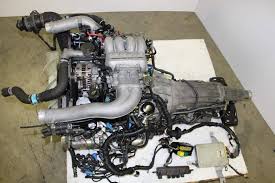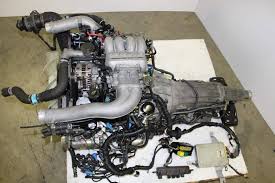
13B Rotary Engine Reliability: How Long Does an RX7 Engine Really Last?
Introduction
The topic of 13B rotary engine reliability has been debated for decades among Mazda enthusiasts, mechanics, and first-time RX-7 buyers. Some people believe rotary engines are fragile and unreliable, while longtime owners often argue that a properly maintained 13B can last surprisingly long and deliver one of the most enjoyable driving experiences ever created.
The truth usually falls somewhere in the middle.
The Mazda 13B rotary engine is unique. Unlike traditional piston engines, it uses spinning rotors instead of reciprocating pistons, giving it smooth high-RPM power delivery, compact dimensions, and a sound that has become legendary in automotive culture. However, the same engineering that makes the 13B exciting also means maintenance and ownership are very different from conventional engines.
So how reliable is a 13B rotary engine really?
In this guide, we will break down the real lifespan of RX7 rotary engines, common causes of failure, maintenance habits that dramatically improve longevity, and what buyers should know before purchasing a rotary-powered Mazda RX-7.
13B Rotary Engine Reliability: What Owners Should Expect
When discussing 13B rotary engine reliability, expectations matter.
A rotary engine will never behave exactly like a traditional inline-four or V6 engine. Owners who understand rotary maintenance often enjoy years of dependable performance, while neglected engines can fail relatively quickly.
Average Lifespan of a 13B Rotary Engine
A properly maintained 13B engine can commonly last:
- 80,000–120,000 miles before rebuild
- Longer with conservative tuning and excellent maintenance
- Less if heavily modified or poorly maintained
Several factors influence lifespan:
- Compression health
- Cooling efficiency
- Oil quality
- Tuning quality
- Driving habits
- Frequency of maintenance
Many reliability horror stories come from abused or improperly tuned engines rather than flaws in the core design itself.
Why Rotary Engines Are Different From Piston Engines
Understanding rotary design helps explain both the strengths and weaknesses of the 13B platform.
How the 13B Rotary Engine Works
Instead of pistons moving up and down, the 13B uses triangular rotors spinning inside specially shaped housings.
Benefits include:
- Smooth power delivery
- Lightweight construction
- High RPM capability
- Compact engine size
However, rotary engines also:
- Consume oil by design
- Generate significant heat
- Require careful tuning
- Depend heavily on compression health
This means reliability depends greatly on maintenance discipline.
Common Myths About 13B Rotary Engine Reliability
“Rotary Engines Always Fail Early”
This is one of the biggest misconceptions.
Many 13B failures occur because:
- Owners skip maintenance
- Engines are poorly tuned
- Cooling systems are neglected
- Cheap rebuilds fail prematurely
A well-maintained 13B can remain reliable for many years.
“You Must Rebuild Them Constantly”
Not necessarily.
Aggressive racing setups may require frequent rebuilds, but stock or mildly modified street engines often last much longer than people expect.
“Rotaries Cannot Be Daily Driven”
Thousands of RX-7 owners daily drive rotary-powered cars successfully.
Reliable daily driving depends on:
- Proper warm-up routines
- Strong ignition systems
- Cooling upgrades
- Consistent maintenance
Most Common 13B Rotary Engine Problems
No engine is perfect, and the 13B has several well-known issues owners should understand.
Apex Seal Wear
Apex seals are critical components inside rotary engines.
Over time, wear can reduce compression and performance.
Symptoms include:
- Hard starting
- Loss of power
- Rough idle
- Excessive smoke
Apex seal failure is often blamed on the engine itself, but poor tuning and overheating are usually major contributing factors.
Overheating Problems
Heat is one of the biggest enemies of rotary reliability.
Common causes:
- Weak radiators
- Coolant leaks
- Failed thermostats
- Poor airflow
- Aggressive tuning
Overheating can damage:
- Rotor housings
- Coolant seals
- Apex seals
Upgraded cooling systems dramatically improve reliability.
Flooding Issues
Rotary engines can flood if repeatedly started and shut off before reaching operating temperature.
Symptoms:
- Engine cranks but will not start
- Strong fuel smell
- Wet spark plugs
Fortunately, flooding is usually preventable with proper startup habits.
Ignition System Weakness
The 13B depends heavily on a strong ignition system.
Weak coils or worn spark plugs can cause:
- Misfires
- Poor combustion
- Carbon buildup
- Starting problems
Many reliability issues improve significantly after upgrading ignition components.
What Makes Some 13B Engines Last Longer Than Others?
Several factors separate reliable rotary engines from problematic ones.
Proper Warm-Up Procedures
Never rev a cold rotary engine aggressively.
Allow the engine to:
- Reach operating temperature
- Build proper oil circulation
- Stabilize coolant temperature
Cold abuse shortens engine life significantly.
Regular Oil Changes
Rotary engines naturally consume oil because oil is injected into the combustion process.
Owners should:
- Check oil levels frequently
- Use quality oil
- Change oil consistently
Running low on oil can quickly damage internal components.
Conservative Tuning
Poor tuning destroys rotary engines faster than almost anything else.
Dangerous tuning conditions include:
- Lean air/fuel ratios
- Excessive boost
- Detonation
- Poor fuel delivery
A professionally tuned RX7 is far more reliable than a poorly modified one.
Cooling Upgrades
Cooling modifications greatly improve longevity.
Recommended upgrades:
- Aluminum radiator
- Performance fans
- Oil coolers
- Quality coolant hoses
Temperature control is essential for rotary health.
Reliability Differences Between RX7 Generations
Not every RX7 uses the exact same 13B setup.
FC RX7 13B Reliability
The FC RX7 is often considered one of the best rotary platforms for reliability.
Benefits include:
- Simpler electronics
- Easier maintenance
- Strong aftermarket support
Turbo II models remain highly respected.
FD RX7 13B-REW Reliability
The FD RX7 uses the famous twin-turbo 13B-REW engine.
Advantages:
- Incredible performance
- Strong tuning potential
Challenges:
- More heat
- Complex vacuum systems
- Higher maintenance requirements
Well-maintained FD RX7s can still be reliable, but they demand more attention.
Signs Your 13B Engine May Need a Rebuild
Eventually, every rotary engine requires rebuilding.
Common warning signs include:
Low Compression
Low compression remains the clearest sign of wear.
Symptoms:
- Slow starting
- Weak performance
- Poor fuel economy
Excessive Exhaust Smoke
Heavy smoke may indicate:
- Seal wear
- Internal coolant leaks
- Oil control problems
Hard Cold Starts
Difficulty starting cold often points toward compression loss.
Reduced Power
A tired rotary engine may feel sluggish at higher RPM.
How Much Does a 13B Rebuild Cost?
Rebuild pricing varies significantly.
Typical Rebuild Costs
Basic Stock Rebuild
- $3,000–$5,000
Performance Rebuild
- $6,000–$10,000+
Fully Built Race Engine
- $12,000–$20,000+
The quality of the builder matters more than simply choosing the cheapest option.
Best Mods for Improving 13B Reliability
Some modifications improve reliability without sacrificing drivability.
Recommended Reliability Upgrades
Upgraded Aluminum Radiator
Helps control engine temperatures.
Improved Ignition Components
Modern coils and spark plugs improve combustion quality.
ECU Tuning
Standalone ECUs provide:
- Better fuel control
- Safer ignition timing
- Improved engine protection
Oil Metering Improvements
Proper lubrication helps protect apex seals and rotor housings.
Is a Modified 13B Less Reliable?
Not always.
The quality of modifications matters more than the existence of modifications themselves.
Reliable Modifications
- Cooling upgrades
- Fuel system upgrades
- ECU tuning
- Mild street porting
Riskier Modifications
- Excessive boost
- Poorly tuned turbo setups
- Cheap rebuilds
- Aggressive bridge ports for daily driving
Balanced builds generally last longer.
Can a 13B Rotary Engine Be Reliable for Daily Driving?
Yes — absolutely.
Many owners successfully daily drive rotary-powered RX7s for years.
The key is consistency.
Reliable daily-driven RX7 owners typically:
- Warm the engine properly
- Maintain cooling systems
- Monitor oil levels
- Use quality fuel
- Avoid abusive driving
Rotaries reward attentive ownership.
What Compression Numbers Are Healthy?
Compression testing is critical for evaluating rotary reliability.
Healthy Compression Range
Generally:
- 7.0–8.5+ = Excellent
- 6.0–7.0 = Acceptable
- Below 6.0 = Rebuild likely needed
Compression should also remain even across all rotor faces.
Uneven numbers often indicate internal wear.
Buying a Used RX7: Reliability Checklist
If you are shopping for an RX7, reliability depends heavily on inspection quality.
What to Check
- Compression test results
- Cooling system condition
- Rebuild documentation
- Tuning history
- Oil leaks
- Smoke during startup
- Idle quality
- Turbo condition
Never buy a rotary car without compression testing.
FAQ Section
How reliable is a 13B rotary engine?
A properly maintained 13B can be very reliable. Most problems come from poor maintenance, overheating, or improper tuning.
How long does an RX7 engine last?
Most healthy 13B engines last around 80,000–120,000 miles before requiring a rebuild.
Are rotary engines expensive to maintain?
They can cost more to maintain than traditional engines because they require specialized knowledge and regular monitoring.
What kills rotary engines most often?
Overheating, poor tuning, low oil levels, and neglect are the biggest causes of rotary engine failure.
Can you turbocharge a stock 13B safely?
Yes, but proper fuel delivery, cooling upgrades, and professional tuning are essential.
Do rotary engines burn oil normally?
Yes. Rotary engines intentionally consume oil as part of their lubrication system.
Conclusion
The discussion around 13B rotary engine reliability is often filled with myths, exaggerations, and misunderstandings. The reality is that Mazda’s legendary rotary engine can be surprisingly dependable when maintained correctly.
The 13B rewards knowledgeable ownership.
Owners who respect warm-up procedures, monitor oil levels, maintain cooling systems, and invest in proper tuning often enjoy years of reliable performance from their RX7. On the other hand, neglected engines or poorly executed builds can fail quickly and create expensive repair bills.
Ultimately, reliability comes down to maintenance, tuning quality, and responsible driving habits far more than the engine design itself.
For enthusiasts who appreciate the unique sound, lightweight balance, and high-revving nature of rotary power, the 13B remains one of the most rewarding engines ever built.
Looking for reliable RX7 rotary engines, rebuilt 13B setups, or rotary performance parts? Explore our selection of tested 13B engines, RX7 components, and performance upgrades designed for serious rotary enthusiasts and professional builds.
Ignore section
13b rotary engine reliability
13b rotary engine reliability
13b rotary engine reliability
13b rotary engine reliability
13b rotary engine reliability
13b rotary engine reliability
13b rotary engine reliability
13b rotary engine reliability
13b rotary engine reliability