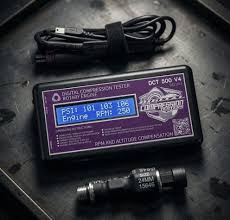
RX7 13B Compression Test Guide: What Good Compression Numbers Look Like
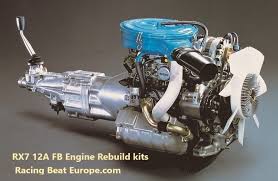
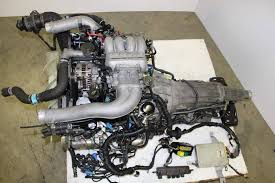
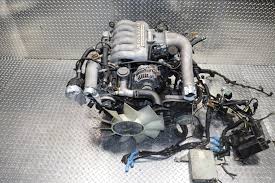
If you own a Mazda RX7 or you’re shopping for a used rotary engine, understanding the RX7 13B compression test process is absolutely essential. Compression numbers are one of the biggest indicators of rotary engine health, reliability, and overall performance.
Unlike piston engines, rotary engines rely heavily on proper sealing between the rotor housing, apex seals, side seals, and internal components. Even a small drop in compression can dramatically affect starting behavior, power delivery, fuel economy, and engine longevity.
The good news is that a proper compression test can reveal almost everything you need to know before buying, rebuilding, or tuning a 13B engine.
In this guide, you’ll learn:
- How a rotary compression test works
- What good 13B compression numbers look like
- Common low-compression symptoms
- Tools needed for accurate testing
- Differences between hot and cold tests
- How to interpret test results properly
- What compression numbers are considered bad
Whether you own an FC RX7, FD RX7, or swapped rotary build, this guide will help you understand the true condition of your 13B engine.
What Is an RX7 13B Compression Test?
RX7 13B Compression Test Explained
A compression test measures the engine’s ability to seal and compress air inside the combustion chamber.
In a rotary engine, compression depends on:
- Apex seals
- Side seals
- Corner seals
- Rotor housing condition
- Internal tolerances
Unlike piston engines that measure compression per cylinder, a 13B rotary engine measures compression across each rotor face.
Since each rotor has three combustion faces, rotary compression readings are more complex than traditional engines.
This is why using the proper testing method is critical.
Why Compression Matters in a 13B Rotary Engine
Compression is everything in a rotary engine.
A healthy 13B requires strong sealing to:
- Start properly
- Produce power
- Maintain idle quality
- Prevent flooding
- Support turbo boost
- Maintain fuel efficiency
Low compression often leads to:
- Hard hot starts
- Misfires
- Weak acceleration
- Excessive smoke
- Poor idle
- Frequent flooding
In severe cases, the engine may fail to start altogether.
What Are Good RX7 13B Compression Numbers?
Ideal RX7 13B Compression Test Numbers
For most street-driven RX7 13B engines, healthy compression numbers generally fall within these ranges:
| Compression Rating | Condition |
|---|---|
| 7.5–9.0+ | Excellent |
| 6.8–7.4 | Good |
| 6.0–6.7 | Fair |
| Below 6.0 | Weak / Rebuild Soon |
| Below 5.0 | Poor / Rebuild Needed |
These numbers are typically measured:
- Warm engine
- 250 RPM correction
- PSI equivalent converted properly
Important: Rotary Compression Is RPM Sensitive
One major difference between piston and rotary compression testing is RPM sensitivity.
Compression changes based on cranking speed.
This means:
- Slow starter motors can lower readings
- Weak batteries affect results
- Cold engines produce inaccurate numbers
Mazda compression testers automatically correct readings to standardized RPM values.
This is why experienced rotary shops prefer specialized rotary compression testers.
How to Perform an RX7 13B Compression Test
Tools You’ll Need
Recommended Equipment
- Rotary-specific compression tester
- Fully charged battery
- Warm engine
- Spark plug socket
- Remote starter switch
- Notebook for recording results
Optional Tools
- Battery charger
- OBD scanner
- Infrared temp gun
Step-by-Step RX7 13B Compression Test Process
Step 1: Warm Up the Engine
Always perform compression testing on a fully warmed engine.
This allows:
- Proper seal expansion
- Accurate oil viscosity
- Realistic operating tolerances
Cold compression tests often give misleading readings.
Step 2: Disable Fuel and Ignition
Disconnect:
- Fuel pump relay
- Ignition coils
- Injectors if necessary
This prevents fuel flooding during testing.
Step 3: Remove Spark Plugs
Remove all leading and trailing spark plugs carefully.
Inspect them for:
- Oil fouling
- Carbon buildup
- Coolant contamination
- Uneven wear
Spark plug condition often reveals additional engine issues.
Step 4: Install Compression Tester
Thread the rotary compression tester into the spark plug hole securely.
Rotary testers differ from piston-engine testers because they record:
- Multiple pulses
- Rotor face readings
- RPM-corrected values
Step 5: Crank the Engine
Crank the engine several seconds while recording readings.
A proper rotary tester will display:
- Three separate compression pulses per rotor
- Average corrected compression values
Understanding Rotary Compression Readings
Why Rotary Engines Produce Multiple Readings
Each rotor has three combustion chambers.
During testing, you’ll usually see:
- Three pulses per rotor
- Six total readings on a 13B
Consistency matters just as much as peak numbers.
Balanced Compression Is Extremely Important
A healthy engine should have:
- Even compression across rotor faces
- Minimal variation between readings
For example:
Good Example
- 7.8
- 7.6
- 7.7
Bad Example
- 8.0
- 5.9
- 7.8
Uneven readings often indicate:
- Damaged apex seals
- Rotor housing wear
- Internal scoring
- Seal chipping
Hot Start Problems and Compression Loss
One of the Biggest RX7 Warning Signs
Hard hot starts are classic symptoms of low compression.
When the engine is hot:
- Metal expands
- Seal tolerances change
- Weak compression becomes more noticeable
Common symptoms include:
- Cranking for long periods
- Engine refusing to restart warm
- Fuel flooding
- Rough idle after startup
If an RX7 starts cold but struggles hot, compression testing is highly recommended.
Common Causes of Low Compression in a 13B
Apex Seal Wear
Apex seals are critical to maintaining combustion pressure.
Over time they wear from:
- Heat
- Detonation
- Poor lubrication
- Aggressive tuning
Rotor Housing Damage
Scoring or wear inside the housing reduces sealing ability.
Causes include:
- Overheating
- Foreign object damage
- Poor rebuild practices
Side Seal Failure
Side seals maintain sealing along rotor edges.
Damaged side seals can create:
- Low idle vacuum
- Poor fuel economy
- Reduced power
Carbon Buildup
Heavy carbon deposits can affect seal movement and compression stability.
Poor Tuning
Lean air-fuel ratios and excessive ignition timing can rapidly damage a rotary engine.
Compression Testing Turbocharged RX7 Engines
Turbo 13B Engines Need Extra Attention
Turbocharged rotary engines experience:
- Higher combustion pressure
- Increased heat
- Greater seal stress
Because of this, compression testing is even more important on:
- FD RX7 13B-REW engines
- Bridge port turbo builds
- Street port turbo setups
- High-boost race engines
How Often Should You Compression Test a Rotary Engine?
Recommended Compression Test Intervals
Street Cars
Every 12–18 months
Performance Builds
Every 6–12 months
Before Buying Any Used Rotary
Always perform a compression test first.
Skipping compression testing is one of the biggest mistakes rotary buyers make.
Can You Compression Test a 13B Without a Rotary Tester?
Technically Yes — But It’s Not Ideal
Standard piston-engine compression testers do not accurately measure rotary engines.
They fail to:
- Capture multiple rotor pulses
- Correct RPM values
- Provide precise rotary-specific data
While some enthusiasts use traditional testers for rough estimates, proper rotary testing equipment is strongly recommended.
Digital Rotary Compression Testers vs Analog Testers
Modern Digital Testers
Benefits:
- Accurate RPM correction
- Easy data recording
- Faster diagnostics
- Better consistency
Popular among:
- Professional rotary shops
- Tuners
- Engine builders
Analog Testers
Older analog tools still work but require:
- Manual calculations
- Experience interpreting results
What Compression Numbers Mean for Buyers
Buying an RX7 With Low Compression
Low compression does not automatically mean the engine is junk.
Sometimes:
- Minor rebuilds fix the issue
- Apex seals alone are worn
- Carbon buildup affects readings
However, rebuild costs should always be considered.
Average 13B Rebuild Costs in 2026
Typical Rebuild Pricing
Stock Rebuild
- $4,000–$7,000+
Performance Rebuild
- $7,000–$15,000+
Fully Built Turbo Engine
- $12,000–$25,000+
Costs vary depending on:
- Parts quality
- Rotor housing condition
- Porting work
- Turbo setup
- ECU tuning
Compression Testing Before Buying an RX7
Questions You Should Always Ask
Before purchasing:
- Has the engine been compression tested recently?
- Was the test done hot?
- Was RPM correction applied?
- Are the readings balanced?
- Are there videos of cold and hot starts?
Signs of a Healthy 13B Engine
Good Compression Usually Comes With:
- Smooth idle
- Easy hot starts
- Minimal smoke
- Strong throttle response
- Stable vacuum readings
- Clean acceleration
Signs of a Weak 13B Engine
Watch for These Warning Signs
- Long cranking
- Frequent flooding
- Excessive oil smoke
- Weak boost response
- Poor idle quality
- Misfires under load
How to Improve 13B Compression Longevity
Proper Warm-Up Procedure
Never rev a cold rotary engine aggressively.
Allow oil temperatures to stabilize first.
Use High-Quality Oil
Rotaries consume oil by design.
Use rotary-friendly oils and monitor levels constantly.
Maintain Cooling Systems
Overheating destroys:
- Apex seals
- Rotor housings
- Internal tolerances
Upgrade:
- Radiators
- Oil coolers
- Fans
Professional ECU Tuning
A safe tune dramatically improves engine life.
FAQ Section
What is good compression for an RX7 13B?
Healthy RX7 13B compression numbers usually range between 7.0 and 9.0 when tested properly on a warm engine with RPM correction.
What compression is too low for a rotary engine?
Anything below 6.0 is generally considered weak and may indicate rebuild time soon.
Can a rotary engine run with low compression?
Yes, but performance, starting behavior, and reliability will suffer significantly.
Why do RX7 engines lose compression?
Common causes include:
- Apex seal wear
- Overheating
- Poor tuning
- Rotor housing damage
- Carbon buildup
How much does a 13B compression test cost?
Professional rotary compression tests typically cost between $100 and $250 depending on location and shop expertise.
- RX7 13B Engine Reliability Guide
- Best Mods for Turbo 13B Engines
- Bridge Port vs Street Port Comparison
- RX7 Cooling Upgrade Guide
- Fresh Rebuilt 13B Buyer’s Guide
- Mazda Motorsports
- Haltech ECU tuning guides
- Rotary tuning forums
- Professional rotary engine builders
- Compression testing equipment manufacturers
Conclusion
Understanding RX7 13B compression test results is one of the most important skills any rotary enthusiast can learn. Compression numbers tell the true story of a rotary engine’s health and can save you thousands of dollars in unexpected rebuild costs.
A healthy 13B should:
- Start easily hot and cold
- Maintain balanced compression readings
- Deliver smooth power consistently
- Show minimal variation across rotor faces
Whether you’re buying a used RX7, diagnosing engine problems, or planning performance upgrades, compression testing should always be part of the process.
In the rotary world, compression is everything.
Looking for a tested RX7 13B engine for sale or genuine rotary performance parts?
Browse quality rotary engines, rebuild kits, apex seals, ignition upgrades, turbo systems, and hard-to-find RX7 components designed for serious rotary enthusiasts. Whether you’re restoring a classic FC RX7 or building a high-horsepower FD setup, choosing the right rotary components starts with knowing your engine’s compression health.
Ignore section
rx7 13b compression test
rx7 13b compression test
rx7 13b compression test
rx7 13b compression test
rx7 13b compression test
rx7 13b compression test
rx7 13b compression test
rx7 13b compression test
rx7 13b compression test
rx7 13b compression test
rx7 13b compression test