1983 Mazda RX7 GSL Specs, Features & Performance Explained
The first-generation Mazda RX7 is one of the most important Japanese sports cars ever built. Lightweight, balanced, and powered by Mazda’s legendary rotary engine, the RX7 helped establish Japan as a serious force in the global sports car market.
Today, enthusiasts searching for 1983 Mazda RX7 GSL specs are often surprised by how advanced and enjoyable this classic coupe still feels decades later.
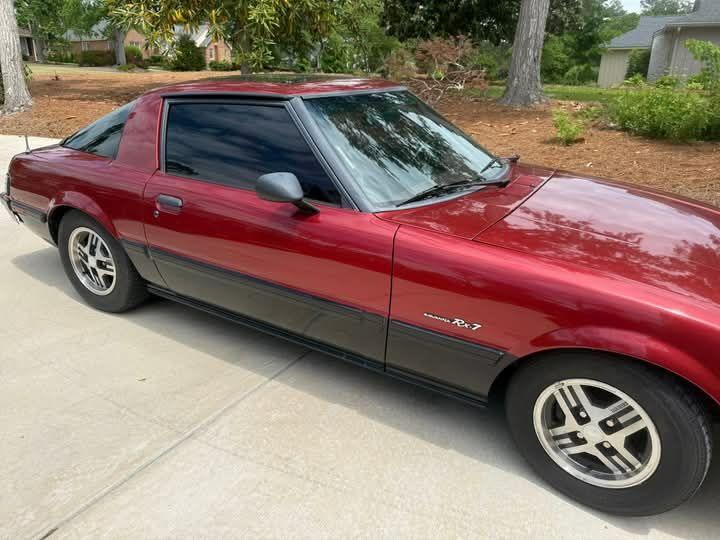
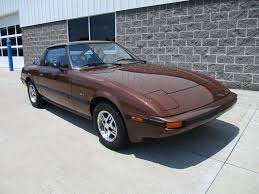
The 1983 RX7 GSL was one of the highest trim levels available for the FB-generation RX7 and offered a combination of sporty handling, unique engineering, and premium features that made it stand out in the early 1980s sports car scene.
Whether you’re considering buying one, restoring one, or simply learning more about rotary-powered Mazdas, this guide breaks down the complete specifications, features, performance, engine details, and driving characteristics of the 1983 Mazda RX7 GSL.
Overview of the 1983 Mazda RX7 GSL
1983 Mazda RX7 GSL Specs and Why the FB RX7 Became Legendary
The FB-generation RX7 debuted in the late 1970s and quickly became known for its lightweight chassis and smooth rotary power delivery.
By 1983, Mazda had refined the platform significantly.
The GSL trim added several premium upgrades that made it one of the most desirable versions of the first-generation RX7.
Key highlights included:
- Four-wheel disc brakes
- Limited-slip differential
- Alloy wheels
- Improved interior features
- Enhanced suspension feel
- More upscale equipment
The result was a lightweight Japanese sports coupe with excellent handling balance and a personality unlike anything else on the road.
1983 Mazda RX7 GSL Engine Specs
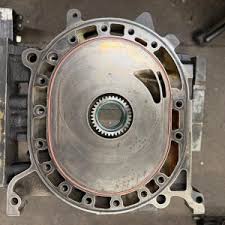
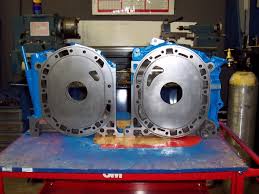
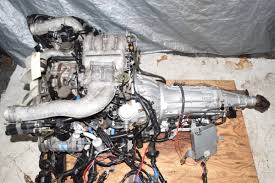
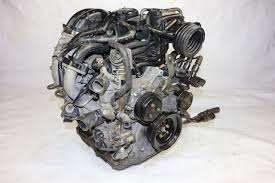
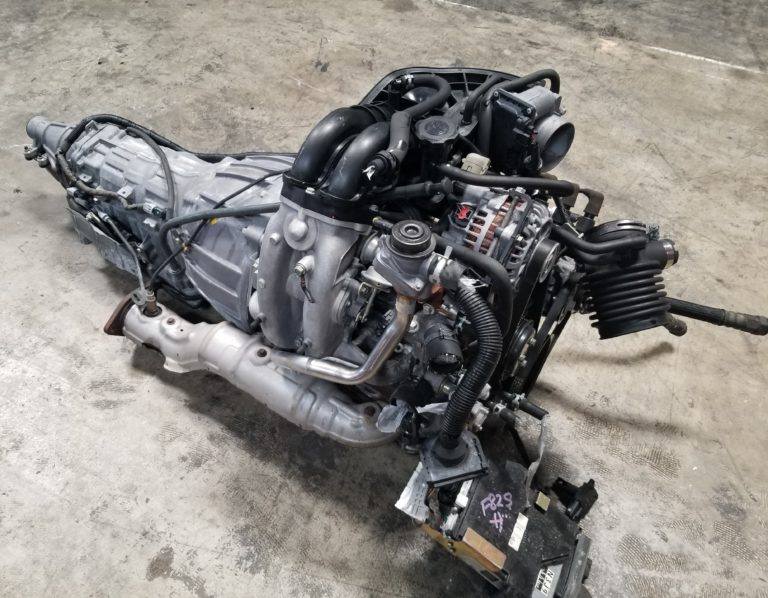
At the heart of the RX7 GSL sits Mazda’s famous 12A rotary engine.
12A Rotary Engine Specifications
Engine Type
- Twin-rotor rotary engine
Engine Code
- 12A
Displacement
- 1.1 liters (573cc x 2 rotors)
Horsepower
- Approximately 100 horsepower
Torque
- Around 105 lb-ft
Fuel System
- Nikki 4-barrel carburetor
Cooling System
- Liquid-cooled
Redline
- Approximately 7,000 RPM
Unlike traditional piston engines, the rotary design delivers power in an incredibly smooth and linear manner.
The engine’s compact size also contributes to the RX7’s excellent weight distribution.
What Makes the Rotary Engine Special?
The RX7’s rotary engine remains one of the biggest reasons enthusiasts continue to admire the car today.
Key Rotary Engine Advantages
Lightweight Design
The compact engine helps reduce front-end weight.
This improves handling balance significantly.
Smooth High-RPM Operation
Rotary engines are famous for their smooth revving characteristics.
The RX7 feels eager and responsive throughout the RPM range.
Unique Sound
The rotary exhaust note is unlike any piston engine.
It produces a smooth, high-pitched tone that has become iconic among JDM enthusiasts.
Simplicity
Despite being unusual, rotary engines actually contain fewer moving parts than traditional piston engines.
1983 RX7 GSL Transmission Options
The RX7 GSL was available with:
5-Speed Manual Transmission
Most enthusiasts prefer the manual version because it fully complements the car’s sporty personality.
The lightweight clutch and smooth shifting feel make the car engaging to drive.
Automatic Transmission
Automatic models were also available, although they are generally less sought after among collectors.
1983 Mazda RX7 GSL Performance Specs
By modern standards, the RX7 may not seem extremely powerful.
However, the car’s lightweight chassis makes it feel surprisingly lively.
Performance Figures
0–60 MPH
- Approximately 8.5–9 seconds
Top Speed
- Around 120 MPH
Curb Weight
- Roughly 2,400–2,500 pounds
Drivetrain Layout
- Front-engine, rear-wheel drive
The low curb weight plays a huge role in the car’s responsive handling feel.
Why the RX7 Feels Faster Than the Numbers Suggest
The RX7’s charm comes from balance rather than brute force.
Key Reasons the Driving Experience Feels Special
Lightweight Chassis
The car changes direction quickly and feels agile on winding roads.
Near 50/50 Weight Distribution
The compact rotary engine helps achieve excellent chassis balance.
Responsive Steering
Steering feel remains one of the strongest characteristics of the FB RX7.
High-Reving Personality
The rotary engine encourages spirited driving and smooth acceleration.
Suspension and Handling Characteristics
The RX7 GSL became well known for its handling precision.
Suspension Setup
Front Suspension
- Independent strut suspension
Rear Suspension
- Solid rear axle with link setup
Although not as advanced as modern systems, the suspension tuning gives the RX7 a highly connected feel.
GSL Trim Features
The GSL trim added several upgrades over base RX7 models.
Notable GSL Features
Four-Wheel Disc Brakes
This was a major performance advantage in the early 1980s.
Limited-Slip Differential
Improved traction and cornering performance.
Alloy Wheels
Enhanced both styling and handling.
Upgraded Interior
Included additional comfort and convenience features.
Power Accessories
Many GSL models included:
- Power windows
- Power mirrors
- Improved audio systems
Interior Design and Cabin Experience
The RX7 interior reflects classic 1980s Japanese sports car styling.
Interior Highlights
Driver-Focused Layout
The cockpit design keeps controls within easy reach.
Sport Seats
The GSL trim featured improved seating support compared to lower trims.
Analog Gauges
Simple, clean instrumentation adds to the vintage driving feel.
Excellent Visibility
Thin pillars and low beltlines create a very open cabin experience.
Fuel Economy for a Rotary Sports Car
Rotary engines are not known for exceptional fuel economy, but the lightweight RX7 performs reasonably well.
Estimated MPG
- City: 16–18 MPG
- Highway: 22–25 MPG
Driving style greatly affects fuel consumption.
Common Problems With the 1983 RX7 GSL
Like any vintage sports car, the RX7 has several known issues buyers should understand.
Common RX7 Concerns
Rust
One of the biggest threats to first-generation RX7s.
Common rust areas include:
- Rear wheel arches
- Rocker panels
- Floor pans
- Battery tray
Low Compression
Compression testing is critical for rotary engine health.
Cooling Problems
Overheating can damage rotor housings and apex seals.
Vacuum Leaks
Older hoses and seals often deteriorate with age.
Interior Wear
Original interior parts are becoming increasingly difficult to source.
Why Collectors Love the 1983 RX7 GSL
The first-generation RX7 occupies an important place in JDM history.
Reasons the RX7 Continues Growing in Popularity
Classic Japanese Styling
The clean wedge-shaped design remains timeless.
Rotary Heritage
Few cars offer the same engine experience.
Affordable Entry Into JDM Collecting
Compared to later RX7 generations, FB models still offer relatively accessible pricing.
Strong Enthusiast Community
Support for RX7 restoration and maintenance remains excellent.
Current Market Value of the 1983 RX7 GSL
Values continue rising steadily.
Approximate Pricing
Project Cars
- $3,000–$7,000
Clean Drivers
- $10,000–$20,000
Restored Collector Examples
- $25,000+
Low-mileage original cars command premium pricing.
Is the 1983 RX7 GSL Reliable?
Yes — when properly maintained.
Key Maintenance Priorities
Owners should focus on:
- Regular oil checks
- Cooling system maintenance
- Compression health
- Proper warm-up procedures
- Quality ignition components
Rotary engines reward attentive ownership.
FAQ Section
What engine is in the 1983 Mazda RX7 GSL?
The 1983 RX7 GSL uses Mazda’s 12A twin-rotor rotary engine.
How much horsepower does the 1983 RX7 GSL make?
The car produces approximately 100 horsepower from the factory.
Is the 1983 RX7 GSL rare?
Clean, rust-free GSL models are becoming increasingly difficult to find today.
What transmission came in the RX7 GSL?
The RX7 GSL was available with both a 5-speed manual and automatic transmission.
Is the first-generation RX7 a good investment?
Yes. Collector demand for classic Japanese sports cars continues to grow steadily.
Conclusion
The 1983 Mazda RX7 GSL remains one of the purest and most enjoyable classic Japanese sports cars ever built. Its lightweight chassis, smooth rotary engine, balanced handling, and timeless styling continue attracting enthusiasts decades after production ended.
While modern performance numbers may overshadow it on paper, the RX7 delivers something many newer cars cannot replicate — a raw and engaging analog driving experience.
For collectors, enthusiasts, and anyone searching for an authentic vintage JDM sports car, the first-generation RX7 continues to offer tremendous value, growing collector appeal, and one of the most unique engine experiences ever created.
Looking for a 1983 Mazda RX7 GSL, rotary engine parts, RX7 upgrades, or classic Mazda performance components?
Browse our inventory of tested rotary engines, RX7 restoration parts, ignition upgrades, cooling systems, and hard-to-find JDM components today.
Ignore section
1983 Mazda RX7 GSL specs
1983 Mazda RX7 GSL specs
1983 Mazda RX7 GSL specs
1983 Mazda RX7 GSL specs
1983 Mazda RX7 GSL specs
1983 Mazda RX7 GSL specs
1983 Mazda RX7 GSL specs
1983 Mazda RX7 GSL specs
1983 Mazda RX7 GSL specs