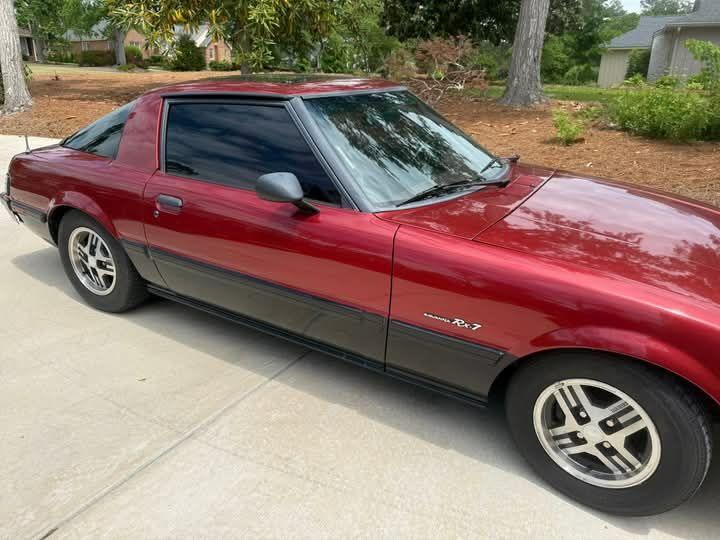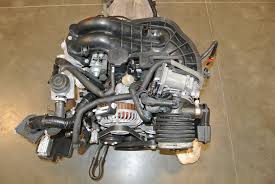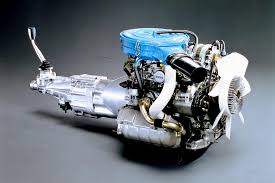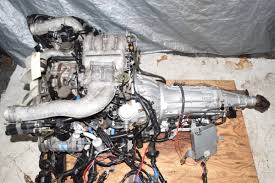
Common Problems With the 1983 Mazda RX7 GSL Rotary Engine
The first-generation Mazda RX7 remains one of the most iconic Japanese sports cars ever built. Lightweight handling, timeless styling, and the unmistakable personality of Mazda’s rotary engine continue to attract enthusiasts decades later.
But if you’ve been researching 1983 RX7 rotary engine problems, you’ve probably discovered that owning a classic rotary-powered car comes with unique maintenance requirements.
The good news is that the 12A rotary engine found in the 1983 Mazda RX7 GSL can be surprisingly reliable when properly maintained. Many horror stories surrounding rotary engines actually come from poor maintenance, overheating, or owners unfamiliar with rotary-specific care.
Still, there are several well-known issues every RX7 owner or buyer should understand before purchasing one.
In this guide, we’ll break down the most common 1983 RX7 rotary engine problems, what causes them, warning signs to watch for, and how experienced rotary owners prevent expensive failures.
Understanding the 12A Rotary Engine
1983 RX7 Rotary Engine Problems Start With Understanding Rotary Design
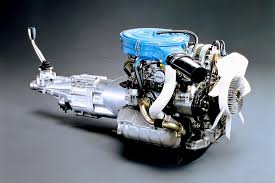
Unlike traditional piston engines, Mazda’s 12A rotary engine uses spinning rotors instead of pistons moving up and down.
This unique design gives the RX7 several advantages:
- Lightweight construction
- Smooth high-RPM operation
- Compact engine size
- Excellent weight distribution
However, rotary engines also require different maintenance habits compared to conventional engines.
Understanding these differences is critical for long-term reliability.
1. Low Compression Problems
Low compression is one of the most serious and common rotary engine issues.
Why Compression Matters
Rotary engines rely heavily on strong internal sealing to generate proper compression.
When compression drops, performance and reliability suffer significantly.
Symptoms of Low Compression
Watch for:
- Hard cold starts
- Weak acceleration
- Rough idle
- Poor fuel economy
- Slow cranking
- Difficulty starting when warm
Common Causes
Low compression usually results from:
- Apex seal wear
- Rotor housing damage
- Excessive overheating
- Poor maintenance
- High mileage
How to Prevent It
The best prevention methods include:
- Regular oil checks
- Proper warm-up procedures
- Cooling system maintenance
- Avoiding overheating
- Using quality ignition components
Always perform a rotary-specific compression test before buying an RX7.
2. Apex Seal Wear
Apex seals are one of the most talked-about rotary engine components.
What Are Apex Seals?
Apex seals sit at the tips of the rotors and maintain compression inside the engine.
Think of them as the rotary equivalent of piston rings.
Signs of Apex Seal Problems
Common symptoms include:
- Low compression
- Excessive smoke
- Loss of power
- Starting difficulties
- Misfires
What Causes Apex Seal Failure?
Several factors contribute to wear:
- Overheating
- Poor lubrication
- Detonation
- High mileage
- Improper tuning
Contrary to internet myths, apex seals are not inherently fragile when engines are properly maintained.
3. Overheating Problems
Heat is the enemy of every rotary engine.
Why Overheating Is Dangerous
Even a single severe overheating incident can damage:
- Rotor housings
- Apex seals
- Side seals
- Internal engine tolerances
Common Cooling System Issues
Older RX7s often develop:
- Cracked hoses
- Failing radiators
- Weak cooling fans
- Corroded water pumps
- Coolant leaks
Signs of Overheating
Watch for:
- Rising temperature gauge
- Coolant overflow
- Steam from engine bay
- Sweet coolant smell
- Loss of power
Best Cooling Upgrades
Many owners improve reliability with:
- Aluminum radiators
- Silicone coolant hoses
- Performance thermostats
- Electric fan upgrades
Cooling maintenance is absolutely essential for rotary longevity.
4. Flooding Problems
Flooding is one of the most common frustrations for inexperienced RX7 owners.
What Causes Flooding?
Flooding occurs when excess fuel accumulates inside the combustion chamber.
This often happens when:
- The engine is shut off before fully warming up
- Weak ignition components fail to burn fuel properly
- The car sits unused for long periods
Symptoms of Flooding
A flooded RX7 may:
- Crank without starting
- Smell strongly of fuel
- Produce weak ignition
How to Prevent Flooding
Simple habits help tremendously:
- Allow the engine to warm properly
- Maintain strong ignition components
- Avoid frequent short trips
- Use proper shutdown procedures
5. Excessive Oil Consumption
Many first-time owners become concerned when rotary engines consume oil.
In reality, this is completely normal.
Why Rotary Engines Burn Oil
The RX7’s oil metering system injects small amounts of oil into the combustion chamber for lubrication.
This is part of normal operation.
When Oil Consumption Becomes Excessive
Problems may arise if oil usage suddenly increases dramatically.
Possible causes include:
- Worn apex seals
- Internal wear
- Oil leaks
- Poor tuning
Best Practices
Experienced owners:
- Check oil frequently
- Use high-quality oil
- Avoid running low on oil
Never neglect oil levels in a rotary engine.
6. Ignition System Failures
The ignition system is one of the most critical parts of rotary reliability.
Why Ignition Matters So Much
Rotary engines require strong and consistent spark delivery.
Weak ignition can cause:
- Misfires
- Flooding
- Carbon buildup
- Starting problems
- Poor combustion
Common Ignition Problems
Older RX7s often suffer from:
- Worn spark plugs
- Bad ignition wires
- Weak coils
- Corroded electrical connections
Recommended Upgrades
Many owners install:
- Modern ignition coils
- Performance spark plug wires
- Updated ignition modules
Strong ignition performance greatly improves reliability.
7. Vacuum Leaks
Vacuum leaks are extremely common on older RX7s.
Why Vacuum Leaks Matter
The 12A engine relies heavily on vacuum-operated systems.
Leaks can create:
- Rough idle
- Poor fuel economy
- Stalling
- Hesitation
- Hard starting
Common Leak Locations
Inspect:
- Vacuum hoses
- Intake gaskets
- Carburetor seals
- Emissions lines
Many hoses become brittle after decades of heat exposure.
8. Carburetor Problems
The factory Nikki carburetor works well when properly maintained, but age often creates issues.
Common Carburetor Symptoms
Problems may include:
- Poor idle
- Hesitation
- Fuel leaks
- Hard starts
- Inconsistent acceleration
Common Fixes
Solutions often involve:
- Carburetor rebuilds
- Cleaning fuel passages
- Replacing vacuum lines
- Adjusting idle mixtures
A properly tuned carburetor dramatically improves drivability.
9. Carbon Buildup
Carbon accumulation can affect rotary engine performance over time.
What Causes Carbon Buildup?
Contributing factors include:
- Weak ignition systems
- Short trips
- Rich fuel mixtures
- Poor combustion
Symptoms
Carbon buildup may cause:
- Rough idle
- Reduced performance
- Poor fuel economy
- Increased smoke
Prevention Tips
Regular spirited driving and strong ignition maintenance help minimize buildup.
10. Poor Storage and Long-Term Sitting
Many classic RX7s spend years parked.
This creates numerous mechanical issues.
Problems Caused by Sitting
Long-term storage can lead to:
- Stuck seals
- Fuel system contamination
- Corrosion
- Dry gaskets
- Weak compression
Rotary engines generally prefer regular operation.
How Reliable Is the 1983 RX7 Rotary Engine?
Despite internet myths, the 12A rotary engine can be highly reliable.
Owners Who Get the Best Reliability Usually:
- Warm the engine properly
- Maintain cooling systems
- Monitor oil levels
- Use quality ignition parts
- Drive the car regularly
- Avoid overheating
Neglect — not the rotary design itself — causes most failures.
Best Upgrades for Reliability
Experienced RX7 owners often install:
Recommended Reliability Mods
- Aluminum radiator
- Modern ignition system
- Silicone coolant hoses
- Electric cooling fans
- Updated fuel system components
These upgrades significantly improve long-term dependability.
What to Check Before Buying an RX7
Before purchasing any RX7, inspect:
- Compression numbers
- Cooling system condition
- Rust levels
- Ignition health
- Maintenance records
- Signs of overheating
A well-maintained RX7 is worth paying more for.
FAQ Section
Are rotary engines unreliable?
Not necessarily. Most rotary failures result from poor maintenance or overheating.
What is the biggest problem with the 1983 RX7 engine?
Low compression caused by wear or overheating is one of the biggest concerns.
How long can a 12A rotary engine last?
With proper maintenance, many rotary engines exceed 100,000 miles before rebuilds.
Why do RX7s flood so easily?
Flooding occurs when excess fuel builds up during short trips or weak ignition performance.
Is overheating dangerous for rotary engines?
Yes. Overheating can quickly damage rotor housings and internal seals.
Conclusion
The 1983 Mazda RX7 GSL remains one of the most rewarding classic Japanese sports cars to own, but rotary engines demand a different level of care compared to traditional piston-powered vehicles.
Most common 1983 RX7 rotary engine problems can be avoided with proper maintenance, cooling system care, strong ignition performance, and regular driving habits.
For enthusiasts willing to understand the unique characteristics of rotary ownership, the RX7 delivers a driving experience few classic sports cars can match.
Its lightweight balance, smooth high-revving personality, and rotary heritage continue to make it one of the most iconic JDM classics ever built.
Looking for RX7 rotary engines, ignition upgrades, cooling components, rebuild parts, or hard-to-find Mazda RX7 performance accessories?
Browse our inventory of tested rotary engines, RX7 restoration parts, cooling upgrades, ignition systems, and classic Mazda components today.
Ignore section
1983 RX7 rotary engine problems
1983 RX7 rotary engine problems
1983 RX7 rotary engine problems
1983 RX7 rotary engine problems
1983 RX7 rotary engine problems
1983 RX7 rotary engine problems