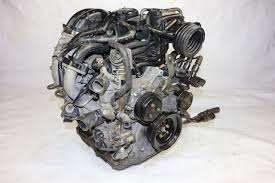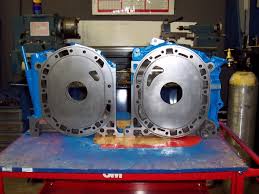
4-Port vs 6-Port RX-8 Engine: Which Renesis Engine Is Better?
The Mazda RX-8 remains one of the most unique Japanese sports cars ever built. Lightweight, balanced, and powered by Mazda’s legendary rotary engine, the RX-8 continues to attract enthusiasts who appreciate a true driver-focused experience.
But one topic that constantly sparks debate in the rotary community is the 4-port vs 6-port RX-8 engine comparison.
If you’re shopping for an RX-8, planning an engine swap, or simply trying to understand the differences between Renesis engine variants, knowing how these two engines compare is extremely important.
While both versions share the same 13B Renesis rotary foundation, they behave differently in terms of power delivery, reliability, tuning potential, maintenance, and driving experience.
In this guide, we’ll break down everything you need to know about the 4-port and 6-port RX-8 engines so you can decide which setup is best for your needs.
What Is the Difference Between the 4-Port and 6-Port RX-8 Engine?
4-Port vs 6-Port RX-8 Engine Basics
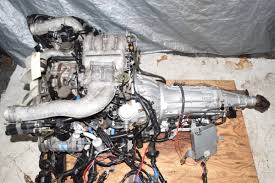
The main difference between the two engines lies in the intake port configuration and transmission pairing.
4-Port RX-8 Engine
The 4-port Renesis engine was primarily used in automatic transmission RX-8 models from 2004–2008.
Key characteristics include:
- Simpler intake port design
- Lower horsepower output
- Reduced maximum RPM
- Slightly smoother low-end response
- Generally considered slightly less stressed
6-Port RX-8 Engine
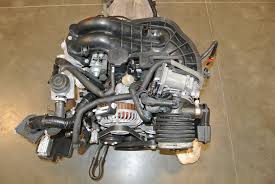
The 6-port version came in manual transmission RX-8 models and features additional intake ports controlled by electronically actuated valves.
Key characteristics include:
- Higher airflow capacity
- Increased horsepower
- Higher rev limit
- More aggressive top-end power
- Better performance potential
Although both engines are technically 1.3L rotary engines, the driving experience feels noticeably different.
Horsepower Differences
One of the biggest reasons enthusiasts compare these engines is power output.
4-Port Engine Horsepower
The 4-port Renesis engine typically produces around:
- 197 horsepower
- Lower redline
- Softer high-RPM power curve
This setup was designed to complement the automatic transmission and improve drivability.
6-Port Engine Horsepower
The 6-port version produces approximately:
- 232 horsepower
- Higher rev limit
- Stronger top-end acceleration
The additional intake ports allow the engine to breathe more efficiently at higher RPM.
For enthusiasts who enjoy spirited driving, the 6-port engine often feels more exciting.
Reliability: Which Engine Lasts Longer?
Reliability is where things become more interesting.
Many RX-8 enthusiasts believe the 4-port engine has a slight advantage in long-term durability.
Why the 4-Port May Be More Reliable
The 4-port engine:
- Operates at lower RPM
- Produces less heat
- Experiences slightly less stress internally
- Has fewer intake control components
Because it revs lower than the 6-port engine, some owners report improved engine longevity.
However, maintenance habits matter far more than port configuration alone.
Why the 6-Port Engine Can Still Be Reliable
Despite being higher performance oriented, the 6-port engine can still achieve excellent reliability when maintained correctly.
Most RX-8 failures happen because of:
- Neglected ignition systems
- Poor oil maintenance
- Overheating
- Carbon buildup
- Low compression
A properly maintained 6-port Renesis can easily outlast a neglected 4-port engine.
Driving Experience Comparison
4-Port Driving Feel
The 4-port engine offers:
- Smoother low-end behavior
- More relaxed driving characteristics
- Easier daily commuting
- Less aggressive power delivery
It feels calmer and slightly more predictable during normal driving.
6-Port Driving Feel
The 6-port engine feels much more energetic.
Drivers often notice:
- Stronger top-end pull
- Sharper throttle response
- Higher revving excitement
- More engaging acceleration
Once the auxiliary intake ports open at higher RPM, the engine becomes noticeably more aggressive.
For driving enthusiasts, this is a huge part of the RX-8’s appeal.
Maintenance Differences
In reality, maintenance requirements are very similar between the two engines.
Both require:
- Frequent oil checks
- Healthy ignition components
- Premium fuel
- Proper warm-up routines
- Compression monitoring
However, the 6-port engine includes additional electronic intake actuators that can occasionally fail.
Common Problems Shared by Both Engines
Regardless of port configuration, both RX-8 engines commonly experience:
Common Renesis Engine Issues
Apex Seal Wear
Low compression caused by apex seal wear remains one of the biggest rotary engine concerns.
Flooding
Shutting the engine off before warming up can lead to flooding issues.
Ignition Coil Failure
Weak ignition coils create incomplete combustion and carbon buildup.
Carbon Deposits
Rotary engines naturally accumulate carbon over time.
Oil Consumption
Moderate oil consumption is normal for all Renesis engines.
Which Engine Is Better for Tuning?
6-Port Tuning Potential
The 6-port engine generally offers greater tuning potential because of its improved airflow.
Popular upgrades include:
- ECU tuning
- Cold air intake systems
- Exhaust upgrades
- Porting modifications
- Turbocharging
Many serious RX-8 performance builds start with a 6-port engine.
4-Port Tuning Potential
The 4-port engine can still respond well to modifications, especially for street-focused builds.
Owners often upgrade:
- Ignition systems
- Intake systems
- Exhaust components
- Cooling upgrades
However, the lower rev limit reduces extreme performance potential.
Fuel Economy Comparison
Fuel economy between the two engines is surprisingly similar.
The 4-port engine may achieve slightly better efficiency during casual driving because of:
- Lower RPM operation
- Softer tuning
- Automatic transmission pairing
Still, neither RX-8 is known for exceptional fuel economy.
Rotary engines prioritize driving experience over efficiency.
Which RX-8 Engine Is Better for Daily Driving?
For most daily drivers, the 4-port engine offers several advantages:
- Smoother commuting
- Slightly less stress on internals
- Easier city driving
- Comfortable automatic transmission compatibility
If reliability and practicality matter most, the 4-port setup makes sense.
Which Engine Is Better for Performance Enthusiasts?
The 6-port engine is the clear winner for enthusiasts seeking maximum excitement.
Reasons include:
- Higher horsepower
- Better airflow
- More aggressive RPM range
- Stronger tuning support
- Better track potential
If your goal is spirited driving or future performance upgrades, the 6-port engine delivers more excitement.
Buying a Used RX-8 Engine: What to Check
Whether you choose a 4-port or 6-port engine, always inspect the following before buying:
Important Things to Verify
- Compression test results
- Maintenance history
- Oil consumption
- Ignition coil condition
- Cooling system health
- Previous rebuild records
Compression numbers are especially critical for rotary engines.
Never purchase a used Renesis engine without proper compression testing.
Can You Swap a 4-Port for a 6-Port Engine?
Yes, but the process requires additional components.
A proper swap may involve:
- ECU changes
- Wiring modifications
- Intake system adjustments
- Transmission compatibility considerations
Because of the added complexity, many owners simply rebuild their original engine instead.
Which RX-8 Engine Should You Buy?
The answer depends entirely on your priorities.
Choose the 4-Port Engine If You Want:
- Better daily drivability
- Slightly calmer behavior
- Simpler setup
- Comfortable commuting
Choose the 6-Port Engine If You Want:
- Maximum performance
- Higher RPM excitement
- Stronger tuning potential
- More engaging driving dynamics
Neither engine is objectively “bad.” They simply serve different types of drivers.
FAQ Section
Is the 4-port RX-8 engine more reliable?
Many owners believe the 4-port engine is slightly more reliable because it operates at lower RPM and experiences less stress.
Does the 6-port RX-8 engine make more power?
Yes. The 6-port engine produces significantly more horsepower thanks to improved airflow and higher rev capability.
Can you turbocharge both engines?
Yes. Both the 4-port and 6-port Renesis engines can be turbocharged with proper supporting modifications.
Which RX-8 engine is best for beginners?
The 4-port engine is often easier for beginners because of its smoother driving characteristics and slightly simpler design.
How long do RX-8 engines last?
With proper maintenance, many RX-8 engines last between 80,000 and 120,000 miles before requiring rebuilding.
Conclusion
The debate surrounding the 4-port vs 6-port RX-8 engine ultimately comes down to driving style, ownership goals, and maintenance commitment.
The 4-port engine offers a smoother, more relaxed experience with slightly lower stress levels, while the 6-port version delivers the high-revving excitement and stronger performance many RX-8 enthusiasts crave.
Regardless of which engine you choose, proper maintenance remains the single biggest factor in long-term reliability.
For drivers who appreciate the unique character of a rotary engine, both versions continue to offer an unforgettable driving experience that few modern cars can replicate.
Looking for quality RX-8 engines, rotary rebuild parts, ignition upgrades, apex seals, or performance components?
Browse our inventory of tested Mazda Renesis engines and premium rotary parts designed for reliability, performance, and long-term durability.
Ignore section
4-Port vs 6-Port RX-8 Engine
4-Port vs 6-Port RX-8 Engine
4-Port vs 6-Port RX-8 Engine
4-Port vs 6-Port RX-8 Engine
4-Port vs 6-Port RX-8 Engine
4-Port vs 6-Port RX-8 Engine