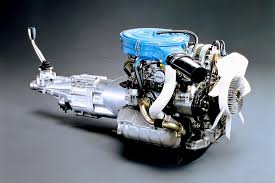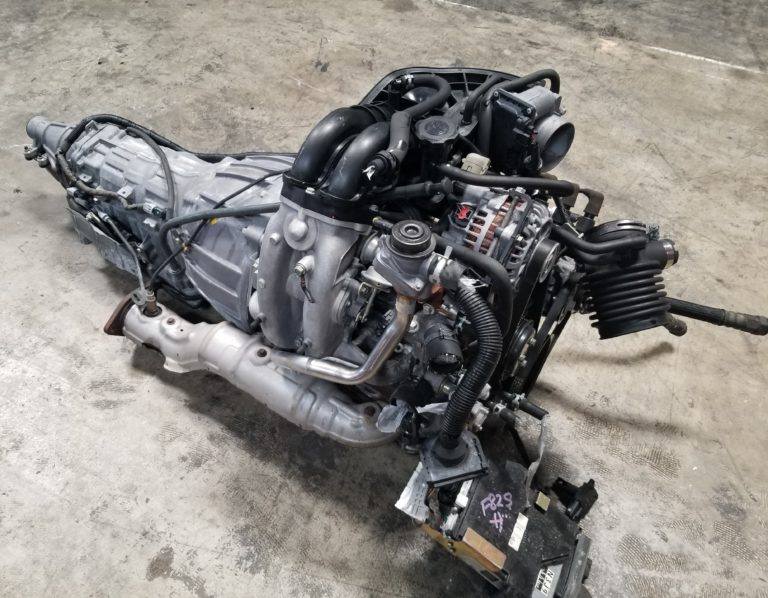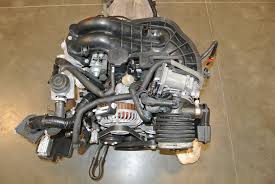
13B 6-Port Turbo Bridge Port Engine Guide: Power, Sound & Reliability Explained
Among rotary enthusiasts, few engine setups attract attention quite like the 13B 6-port turbo bridge port engine. The aggressive idle, razor-sharp throttle response, screaming high-RPM powerband, and unmistakable rotary sound have made this setup legendary in the Mazda community.
Whether it’s powering a street-driven RX-7, a drift car, or a full-blown drag build, the turbocharged bridge port 13B remains one of the most exciting rotary combinations ever built.
But despite its popularity, many enthusiasts still misunderstand how bridge port engines work, how reliable they really are, and what it takes to build one correctly.
Some assume every bridge port engine is unreliable. Others think turbocharging automatically ruins drivability.
The truth is more nuanced.
A properly built and tuned 13B 6-port turbo bridge port engine can deliver incredible power while remaining surprisingly usable on the street.
In this guide, we’ll break down everything you need to know about this iconic rotary setup, including how bridge porting works, horsepower expectations, turbo compatibility, sound characteristics, reliability concerns, and the best supporting modifications.
What Is a 13B 6-Port Turbo Bridge Port Engine?
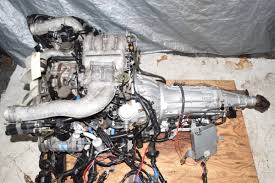
13B 6-Port Turbo Bridge Port Engine Basics Explained
The Mazda 13B is a two-rotor rotary engine used in several iconic vehicles, including:
- Mazda RX-7
- Mazda RX-8
- Eunos Cosmo
- Various custom rotary builds
The “6-port” configuration refers to the intake port design commonly found in naturally aspirated 13B engines.
These engines use six intake ports to improve airflow efficiency and low-end drivability.
When combined with:
- Turbocharging
- Bridge porting
- Performance tuning
the result is an extremely aggressive and high-performing rotary setup.
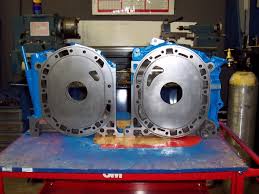
What Is a Bridge Port?
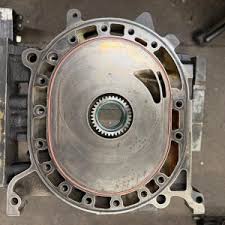
Bridge porting is a rotary engine modification that enlarges and reshapes the intake ports to allow significantly more airflow into the engine.
A small “bridge” of material remains between the ports to maintain structural integrity — which is where the name comes from.
Why Enthusiasts Love Bridge Port Engines
Bridge port setups are famous for:
- Aggressive idle sound
- Improved high-RPM airflow
- Increased horsepower potential
- Faster throttle response
- Unique rotary exhaust tone
The signature “brap brap” idle is one of the biggest reasons rotary enthusiasts love bridge port engines.
How a Turbo Changes the Setup
Adding turbocharging dramatically increases the performance potential of a bridge port engine.
Benefits of Turbocharging a Bridge Port 13B
Turbocharging can provide:
- Massive horsepower gains
- Improved mid-range power
- Better boost response
- Higher top-end performance
When properly configured, turbocharged bridge port setups become extremely capable performance engines.
Horsepower Potential of a Turbo Bridge Port 13B
Power output depends heavily on:
- Turbo size
- Fuel system
- Engine internals
- Tuning quality
- Boost pressure
However, many setups commonly produce:
Typical Power Ranges
Mild Street Setup
- 350–450 HP
Aggressive Street/Track Setup
- 500–700 HP
Fully Built Race Setup
- 800–1,000+ HP
Some extreme builds exceed these numbers with large turbo systems and race fuel.
Why the 6-Port Design Matters
The 6-port intake system offers several advantages over older 4-port setups.
Benefits of 6-Port Engines
Better Low-End Drivability
Variable intake ports improve airflow efficiency at lower RPM.
Improved Street Manners
6-port engines tend to feel smoother during normal driving.
Stronger Mid-Range Response
The extra ports help maintain responsiveness before boost fully builds.
The Famous Bridge Port Sound
One of the most recognizable aspects of a bridge port rotary engine is the idle sound.
Why Bridge Ports Sound Different
The enlarged intake ports create:
- Uneven airflow pulses
- Aggressive overlap
- Distinctive exhaust resonance
This creates the iconic rotary “brap” sound enthusiasts love.
Reliability of a 13B Turbo Bridge Port Engine
Contrary to internet myths, bridge port engines are not automatically unreliable.
Reliability depends heavily on:
- Build quality
- Tuning
- Cooling
- Fuel delivery
- Maintenance
A properly assembled engine can remain dependable even at high power levels.
Common Reliability Issues
Overheating
Heat is one of the biggest rotary killers.
Turbocharged setups generate enormous temperatures.
Poor Tuning
Incorrect tuning can cause:
- Detonation
- Apex seal damage
- Lean conditions
- Engine failure
Weak Ignition Systems
Rotary engines require extremely strong ignition performance.
Weak spark can lead to:
- Misfires
- Flooding
- Carbon buildup
Cheap Fuel Systems
Inadequate fueling destroys boosted rotary engines quickly.
Best Supporting Mods for Reliability
A bridge port turbo engine requires proper supporting modifications.
Recommended Upgrades
Upgraded Cooling System
Essential components include:
- Aluminum radiator
- Oil coolers
- High-flow fans
- Silicone coolant hoses
Standalone ECU
Modern engine management provides:
- Precise tuning
- Boost control
- Better fuel mapping
- Safety protections
High-Flow Fuel System
Critical upgrades include:
- Larger injectors
- High-flow fuel pump
- Adjustable fuel pressure regulator
Strong Ignition Components
Modern ignition upgrades improve combustion consistency.
Best Turbo Setups for a Bridge Port 13B
Turbo choice dramatically affects drivability and power delivery.
Small Turbo Setups
Advantages:
- Faster spool
- Better street response
- Improved drivability
Large Turbo Setups
Advantages:
- Higher horsepower potential
- Massive top-end power
- Better race performance
Single Turbo vs Twin Turbo
Single Turbo Setup
Most popular for modern rotary builds.
Benefits include:
- Simplicity
- Easier tuning
- Better aftermarket support
Twin Turbo Setup
Less common but still used in some custom builds.
Provides unique power delivery characteristics.
Fuel Choices for Turbo Rotary Builds
Fuel quality becomes extremely important under boost.
Common Fuel Options
Premium Pump Gas
Suitable for moderate boost levels.
E85
Popular due to:
- Cooler combustion temperatures
- Better knock resistance
- Increased power potential
Race Fuel
Used in extreme horsepower applications.
Cooling Is Everything in Rotary Engines
Rotary engines naturally generate significant heat.
Turbocharging increases thermal stress even further.
Essential Cooling Upgrades
- Large aluminum radiator
- Dual oil coolers
- High-flow water pump
- Improved ducting
- Proper airflow management
Many rotary failures are actually cooling failures.
Is a Bridge Port Good for Street Driving?
Yes — when built correctly.
However, there are tradeoffs.
What to Expect
A bridge port engine may have:
- Rough idle
- Increased fuel consumption
- Louder exhaust
- Reduced vacuum
- More aggressive driving behavior
For enthusiasts, these characteristics are often part of the appeal.
How Long Can a Turbo Bridge Port 13B Last?
Engine lifespan varies dramatically depending on:
- Tuning quality
- Boost pressure
- Driving habits
- Cooling efficiency
- Maintenance
Well-built engines can last many years with proper care.
Neglected engines may fail quickly.
Common Mistakes People Make
Chasing Huge Power Too Early
Many builders rush toward large turbo setups before addressing reliability.
Poor ECU Tuning
Cheap or inexperienced tuning destroys rotary engines fast.
Ignoring Cooling Upgrades
Cooling should always come before power modifications.
Using Low-Quality Parts
Cheap ignition and fuel components create major reliability problems.
Best Cars for a Turbo Bridge Port 13B
Popular chassis include:
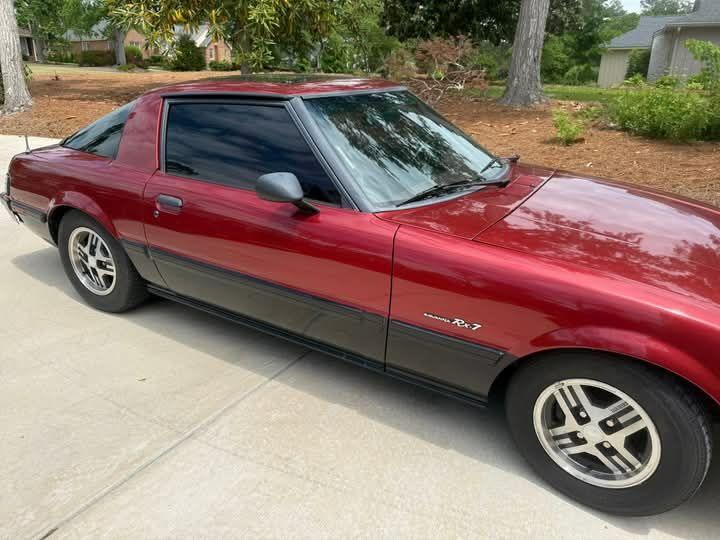
- Mazda RX-7 FC
- Mazda RX-7 FD
- Mazda RX-8 swaps
- Lightweight drift builds
- Custom tube chassis cars
The compact size of rotary engines allows endless customization potential.
Why Rotary Enthusiasts Still Love the 13B
Despite modern performance engines becoming more advanced, the rotary community remains incredibly passionate.
That’s because few engines deliver:
- The same sound
- The same RPM feel
- The same lightweight balance
- The same personality
A turbocharged bridge port 13B provides a driving experience that feels raw, mechanical, and unforgettable.
FAQ Section
What is a 13B 6-port turbo bridge port engine?
It’s a turbocharged Mazda rotary engine using a 6-port intake design combined with bridge port modifications for increased airflow and performance.
How much horsepower can a bridge port 13B make?
Depending on the setup, many builds produce between 400 and 1,000+ horsepower.
Are bridge port engines reliable?
Yes, if properly built, tuned, and maintained.
Why do bridge port engines “brap”?
The enlarged intake ports create unique airflow pulses and exhaust resonance that produce the famous rotary idle sound.
Is a bridge port good for daily driving?
It can be street-driven, but expect rougher idle, increased fuel consumption, and more aggressive engine behavior.
Conclusion
The 13B 6-port turbo bridge port engine remains one of the most exciting rotary setups ever created. Its combination of aggressive sound, massive power potential, and unmistakable rotary character continues to attract enthusiasts around the world.
While bridge port turbo setups require proper tuning, cooling, and supporting modifications, the rewards are enormous when everything is done correctly.
From the iconic “brap” idle to screaming high-RPM pulls under boost, few engines deliver the same raw experience as a properly built turbocharged 13B rotary.
For enthusiasts who appreciate lightweight performance, mechanical personality, and serious tuning potential, the bridge port 13B remains legendary for a reason.
Looking for freshly rebuilt 13B bridge port engines, turbo rotary components, fuel system upgrades, ignition kits, or RX-7 performance parts?
Browse our inventory of high-performance Mazda rotary engines and professionally selected rotary performance components today.
Ignore section
13B 6-port turbo bridge port engine
13B 6-port turbo bridge port engine
13B 6-port turbo bridge port engine
13B 6-port turbo bridge port engine
13B 6-port turbo bridge port engine
13B 6-port turbo bridge port engine
13B 6-port turbo bridge port engine
13B 6-port turbo bridge port engine
13B 6-port turbo bridge port engine