Fresh Rebuilt 13B Rotary Engine: What to Check Before Buying
Buying a fresh rebuilt 13B rotary engine can be one of the smartest investments for a Mazda RX-7 or RX-8 enthusiast — or one of the most expensive mistakes if you don’t know what to look for.
At first glance, many rebuilt rotary engines seem identical.
They may all claim:
- “Fresh rebuild”
- “Low miles”
- “Street ported”
- “Compression tested”
- “Ready to install”
But the reality is very different.
The quality of a rebuilt 13B engine depends entirely on:
- Who built it
- What parts were used
- The machining quality
- The tuning strategy
- The break-in process
- The overall attention to detail
A professionally rebuilt rotary engine can deliver years of incredible performance. A poorly assembled engine may fail quickly — even if it looks perfect externally.
In this guide, we’ll break down exactly what to inspect before buying a rebuilt 13B rotary engine, including compression testing, rebuild documentation, porting quality, turbo compatibility, reliability concerns, and how to avoid expensive mistakes.
What Is a Fresh Rebuilt 13B Rotary Engine?
Fresh Rebuilt 13B Rotary Engine Explained
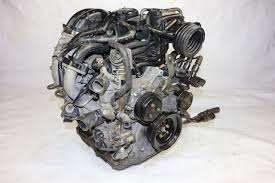
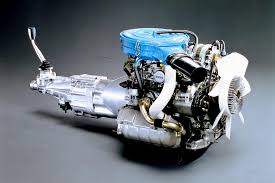
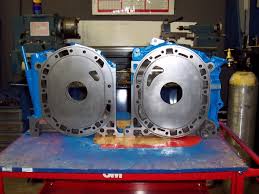
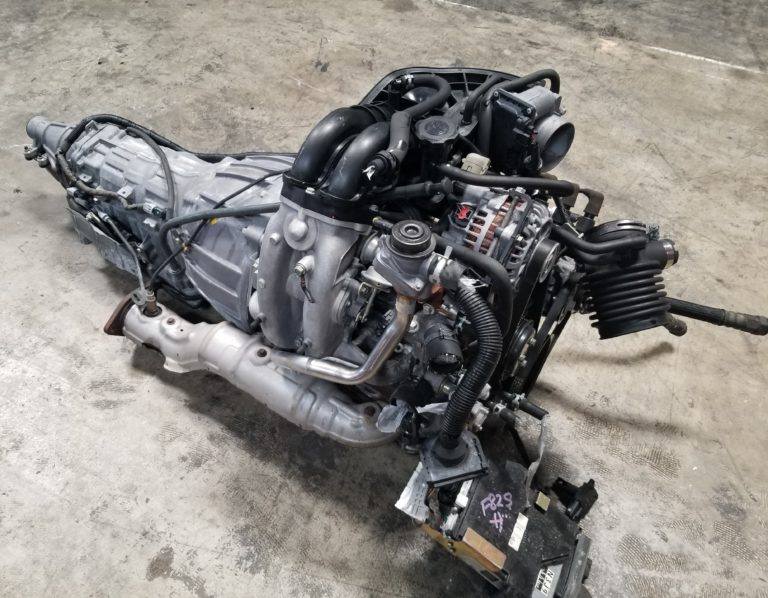
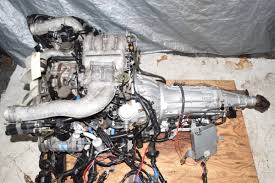
A rebuilt 13B rotary engine is a Mazda rotary motor that has been completely disassembled, inspected, machined, and reassembled using new or refurbished components.
Depending on the builder, the rebuild may include:
- New apex seals
- Rotor bearings
- Stationary gears
- Oil control rings
- Side seals
- Gaskets and seals
- Housings
- Port work
- Balancing
A true “fresh rebuild” usually means the engine has either:
- Zero miles after assembly
- Minimal break-in mileage
Why Rebuilt Rotary Engines Require Careful Inspection
Rotary engines are very different from piston engines.
Small mistakes during assembly can create major problems later.
Unlike traditional engines, rotary motors depend heavily on:
- Precise clearances
- Perfect sealing
- Proper lubrication
- Accurate tuning
- Balanced rotating assemblies
This means rebuild quality matters enormously.
The First Thing to Check: Compression Numbers
Compression Testing a 13B Rotary Engine
Compression is one of the most important indicators of rotary engine health.
Healthy compression helps ensure:
- Strong power
- Easy cold starts
- Smooth idle
- Better reliability
Ideal Compression Numbers
For most street-driven 13B engines:
- 7.0–8.5+ psi corrected compression per face is considered healthy
Consistency matters just as much as the numbers themselves.
Uneven compression can indicate internal wear or assembly problems.
Ask for Compression Test Documentation
Never rely on verbal claims alone.
A reputable seller should provide:
- Compression test results
- Testing RPM
- Testing temperature
- Date of testing
Ideally, request video proof whenever possible.
Inspect the Engine Builder’s Reputation
Who Rebuilt the Engine?
This question matters more than almost anything else.
A professionally rebuilt engine from a respected rotary shop is far safer than an unknown rebuild with no history.
Signs of a Quality Builder
Look for:
- Rotary-specific experience
- Customer reviews
- Build documentation
- Dyno sheets
- Clear communication
- Proper assembly photos
Experienced rotary builders understand the unique requirements of 13B engines.
Check Which Parts Were Replaced
Not all rebuilds are equal.
Some sellers only replace basic seals.
Others perform full performance rebuilds.
Important Components to Verify
Apex Seals
Apex seals are critical rotary components.
Ask:
- Which brand was used?
- Were they OEM or aftermarket?
- Were upgraded seals installed?
Rotor Bearings
Fresh bearings improve reliability and oil pressure stability.
Oil Control Rings
Worn oil rings can cause excessive oil consumption and smoke.
Stationary Gears
These should be carefully inspected during rebuilding.
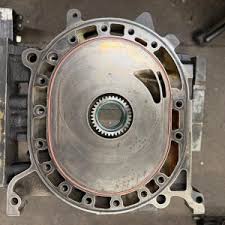
Rotor Housings
One of the most expensive rotary components.
Ask whether housings were:
- Reused
- Resurfaced
- Replaced
Look for Proper Porting Information
Many rebuilt engines include performance porting.
However, not all port work is equal.
Common Port Types
Stock Port
Best for reliability and daily driving.
Street Port
Improves airflow while maintaining good drivability.
Bridge Port
Aggressive airflow modification known for its iconic idle sound.
Peripheral Port
Extreme racing-style setup with enormous airflow potential.
Why Port Quality Matters
Poorly executed port work can ruin airflow characteristics and reduce reliability.
Professional porting should look:
- Clean
- Symmetrical
- Smooth
- Properly shaped
Turbo Compatibility Matters
Many buyers plan to turbocharge their 13B engine.
Not every rebuild is designed for boost.
Questions to Ask Before Running Turbo
Was the Engine Built for Boost?
Important considerations include:
- Compression ratio
- Seal material
- Cooling upgrades
- Fuel system support
- ECU tuning
Is the Porting Turbo-Friendly?
Certain aggressive port setups behave differently under boost.
Cooling System Upgrades Are Critical
Heat is one of the biggest rotary engine killers.
A rebuilt engine without proper cooling support remains vulnerable.
Recommended Cooling Upgrades
- Aluminum radiator
- Dual oil coolers
- High-flow fans
- Silicone coolant hoses
- Upgraded thermostat
Cooling modifications dramatically improve long-term reliability.
Ask About Engine Balancing
A balanced rotary engine operates smoother and reduces internal stress.
Professional balancing becomes especially important for:
- High RPM builds
- Turbo setups
- Bridge ports
- Racing applications
ECU and Tuning Information
Even the best rebuild can fail without proper tuning.
Questions to Ask
Was the Engine Tuned?
Find out:
- Which ECU was used
- Who tuned the engine
- Fuel type used
- Target boost levels
Was It Dyno Tuned?
Professional dyno tuning provides safer fuel and ignition mapping.
Signs of a Poor Rebuild
Some warning signs should immediately raise concern.
Red Flags to Avoid
No Compression Results
This is a major warning sign.
No Build Documentation
Professional builders usually document the rebuild process.
Fresh Paint Everywhere
Sometimes sellers hide leaks or corrosion with excessive paint.
Unclear Mileage Claims
“Low mileage” means nothing without evidence.
Extremely Cheap Pricing
High-quality rotary rebuilds are expensive.
Suspiciously low prices often indicate shortcuts.
How Much Does a Proper Rebuilt 13B Cost?
Pricing varies depending on:
- Porting
- Turbo setup
- Internal upgrades
- Builder reputation
- New vs reused housings
Typical Price Ranges
Basic Rebuild
- $3,500–$6,000
Performance Street Port Build
- $6,000–$10,000
Fully Built Turbo Engine
- $10,000–$20,000+
High-end rotary engines require precision work and quality components.
Best Cars for a Rebuilt 13B Engine
Popular applications include:
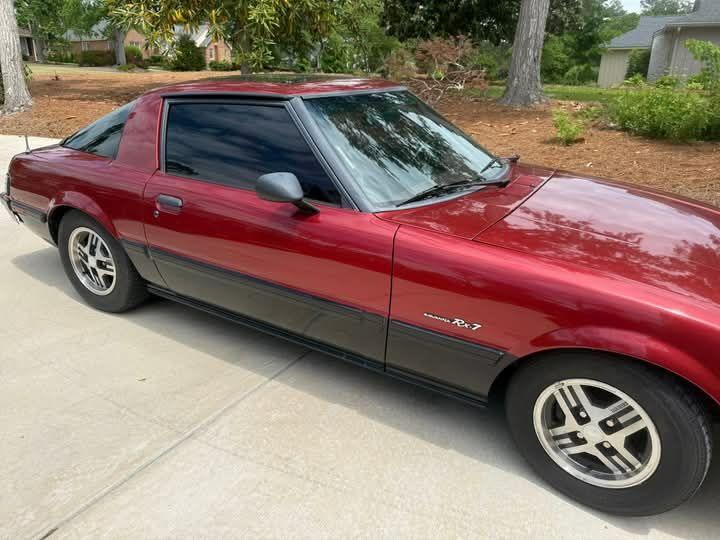
- Mazda RX-7 FC
- Mazda RX-7 FD
- RX-8 swaps
- Drift builds
- Time attack cars
- Drag racing projects
The lightweight design of rotary engines allows incredible chassis balance.
Break-In Procedures Matter
A freshly rebuilt rotary engine requires careful break-in.
Poor break-in practices can damage seals early.
Recommended Break-In Tips
- Use proper mineral oil initially
- Avoid aggressive boost early
- Monitor temperatures carefully
- Vary RPM during early driving
- Change oil frequently during break-in
Always follow the builder’s recommendations.
Why Rotary Enthusiasts Still Choose the 13B
Despite modern engine alternatives, rotary enthusiasts continue returning to the 13B platform because of its:
- Lightweight design
- High-RPM character
- Unique sound
- Incredible tuning potential
- Compact packaging
Few engines deliver the same driving experience.
FAQ Section
What should I check before buying a fresh rebuilt 13B rotary engine?
Check compression numbers, rebuild documentation, parts used, cooling upgrades, tuning information, and the reputation of the builder.
What compression should a healthy 13B have?
Most healthy street-driven engines show around 7.0–8.5+ corrected compression per face.
Are rebuilt 13B engines reliable?
Yes, if professionally assembled, properly tuned, and maintained correctly.
How much does a rebuilt 13B rotary engine cost?
Prices typically range from $3,500 to over $20,000 depending on build quality and modifications.
Is a street port better than a bridge port for reliability?
Street ports are generally easier to live with and slightly more forgiving for daily driving.
Conclusion
Buying a fresh rebuilt 13B rotary engine can completely transform your RX-7 or RX-8 project — but only if you choose wisely.
The difference between a reliable, high-performance rotary engine and a future headache often comes down to the details:
- Compression quality
- Professional assembly
- Proper tuning
- Cooling upgrades
- Quality internal components
Rotary engines reward precision.
When built correctly, the 13B remains one of the most exciting and unique performance engines ever created.
Take the time to inspect documentation, ask detailed questions, and buy from experienced rotary specialists whenever possible.
Doing so can save you thousands of dollars — and countless headaches — down the road.
Looking for professionally rebuilt 13B rotary engines, RX-7 performance parts, turbo setups, or rotary engine upgrades?
Browse our latest inventory of tested rotary engines and premium Mazda performance components built for enthusiasts who demand reliability and performance.
Ignore section
fresh rebuilt 13B rotary engine
fresh rebuilt 13B rotary engine
fresh rebuilt 13B rotary engine
fresh rebuilt 13B rotary engine
fresh rebuilt 13B rotary engine
fresh rebuilt 13B rotary engine
fresh rebuilt 13B rotary engine