20B vs 13B Rotary Engine: Which Mazda Rotary Setup Is Better for Power?
Introduction
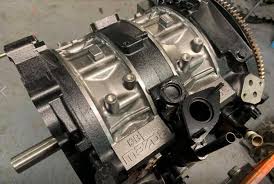
The debate surrounding the 20B vs 13B rotary engine has become one of the biggest discussions in the rotary community. Whether you are building an RX-7 street car, a drift machine, a drag build, or a high-horsepower show car, choosing between Mazda’s legendary 13B and the ultra-rare 20B can dramatically shape your project.
Both engines have earned iconic status in the automotive world. The 13B is known for its affordability, tuning flexibility, and widespread aftermarket support, while the 20B has developed a near-mythical reputation for massive power potential, smooth operation, and its unforgettable three-rotor sound.
But which setup is actually better for power in 2026?
The answer depends on your budget, horsepower goals, intended use, and long-term expectations. In this guide, we will break down the real differences between the 20B and 13B rotary engines, including power capabilities, reliability, tuning potential, swap costs, maintenance, and what makes each engine unique.
H2: 20B vs 13B Rotary Engine — What Is the Difference?
The biggest difference between the 20B and 13B is the number of rotors.
The 13B uses:
- Two rotors
The 20B uses:
- Three rotors
That extra rotor changes almost everything about the engine’s performance characteristics, power delivery, sound, and overall driving experience.
Basic Engine Specifications
| Specification | 13B Rotary Engine | 20B Rotary Engine |
|---|---|---|
| Rotors | 2 | 3 |
| Displacement | 1.3L | 2.0L |
| Factory Turbo | Yes | Yes |
| Stock Horsepower | 200–280 HP | 276 HP |
| Weight | Lighter | Slightly Heavier |
| Availability | Common | Rare |
| Swap Cost | Lower | Higher |
| Tuning Potential | Excellent | Exceptional |
The 20B essentially feels like a larger, smoother, and more powerful version of the 13B.
History of the Mazda 13B Rotary Engine
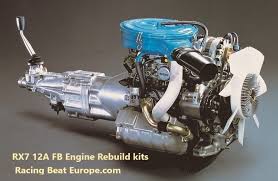
The 13B is Mazda’s most famous rotary engine and appeared in multiple generations of RX-7s and RX-8s.
Popular 13B variants include:
- 13B-REW
- 13B-T
- 13B-MSP Renesis
- Bridge port 13B builds
- Street port 13B setups
The 13B became legendary because it offered:
- Compact size
- High revving capability
- Massive tuning potential
- Lightweight performance
Today, the 13B remains one of the most affordable and versatile rotary engines available.
History of the Mazda 20B Rotary Engine
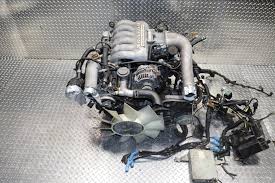
The 20B is far rarer.
Mazda only produced the 20B for the Japanese-market Eunos Cosmo during the 1990s.
The engine featured:
- Three rotors
- Sequential twin turbos
- Smooth torque delivery
- Luxury grand touring performance
Although factory horsepower was officially rated around 276 HP, the engine was heavily underrated from the factory.
The 20B later became popular among:
- Drag racers
- Drift builders
- RX-7 enthusiasts
- High-end custom builds
Today, clean 20B engines are considered collectible.
Which Engine Makes More Power?
When comparing the 20B vs 13B rotary engine, the 20B clearly has the higher ceiling for raw power.
Stock Power Comparison
13B
- Around 255–280 HP in FD RX-7 form
20B
- Roughly 276–300+ HP stock
Although factory numbers look close, the 20B produces smoother torque and stronger midrange performance.
Tuning Potential: 20B vs 13B
This is where the debate becomes serious.
13B Power Potential
A properly built 13B can produce:
- 350–450 HP reliably
- 500–700 HP with upgraded internals
- 800+ HP race builds
The 13B has massive aftermarket support and relatively affordable parts.
20B Power Potential
The 20B takes things even further.
A built 20B can comfortably produce:
- 600–800 HP on moderate setups
- 1000+ HP with race builds
- Incredible torque delivery
Because the 20B has an extra rotor, it naturally moves more air and creates smoother power under boost.
Why the 20B Sounds So Different
One major reason enthusiasts choose the 20B is the sound.
The three-rotor firing sequence creates:
- Smoother idle
- Deeper tone
- Exotic exhaust sound
- Higher-pitched scream at RPM
A bridge-ported 20B is widely considered one of the best sounding engines ever built.
Many enthusiasts choose the 20B purely for the unique driving experience and sound profile.
Reliability Comparison
Reliability depends heavily on tuning and maintenance.
13B Reliability
The 13B is proven and widely understood.
Common issues include:
- Apex seal wear
- Overheating
- Oil consumption
- Vacuum leaks
- Turbo problems
However, parts are relatively affordable and easier to source.
20B Reliability
The 20B can also be reliable, but repairs are more expensive.
Challenges include:
- Rare components
- Limited engine availability
- Higher rebuild costs
- More expensive tuning
That said, a properly maintained 20B is incredibly smooth and durable.
Which Engine Is Better for Daily Driving?
For most drivers, the 13B is the better daily setup.
Why the 13B Works Better for Street Use
- Lower operating costs
- Easier maintenance
- Better fuel economy
- More available parts
- Simpler swaps
The 20B is usually better suited for:
- Weekend cars
- High-end builds
- Show cars
- Drift projects
- Performance-focused applications
Cost Comparison: 20B vs 13B Rotary Engine
Cost is one of the biggest deciding factors.
Average 13B Pricing in 2026
Used 13B Engine
- $4,000–$8,000
Rebuilt 13B
- $8,000–$15,000
Built Performance 13B
- $15,000–$30,000+
Average 20B Pricing in 2026
Used 20B Engine
- $12,000–$20,000
Complete 20B Swap Package
- $20,000–$35,000+
Fully Built 20B
- $40,000–$80,000+
The 20B is significantly more expensive in nearly every category.
Swap Difficulty Comparison
13B Swaps
The 13B is one of the easiest rotary engines to swap because:
- Mount kits are common
- Wiring support exists
- Transmission options are available
- Huge community knowledge base
Popular swap platforms:
- FC RX-7
- FD RX-7
- RX-8
- Miata
- Drift cars
20B Swaps
20B swaps are more complex.
Challenges include:
- Custom mounts
- Wiring complexity
- Cooling requirements
- Transmission adaptation
- Turbo plumbing
However, the final result is often spectacular.
Which Engine Has Better Aftermarket Support?
The 13B wins this category easily.
13B Advantages
- Massive aftermarket support
- Easier tuning access
- More affordable parts
- More engine builders
20B Limitations
- Rare OEM components
- Fewer specialists
- Higher parts pricing
- Longer wait times
Still, aftermarket support for the 20B continues to grow as demand increases.
Best Applications for the 13B
The 13B is ideal for:
Street Cars
Affordable and reliable with proper maintenance.
Drift Builds
Lightweight and responsive.
Budget Rotary Projects
Lower overall cost.
Beginner Rotary Enthusiasts
More documentation and support available.
Best Applications for the 20B
The 20B excels in:
High-End RX-7 Builds
The ultimate rotary flex.
Drag Racing
Huge horsepower capability.
Show Cars
The sound and engine bay presence are unmatched.
Premium Performance Builds
Perfect for enthusiasts seeking something rare and unique.
Fuel Economy Comparison
Neither engine is known for fuel efficiency, but the 13B is noticeably better.
Typical Fuel Economy
13B
- 15–22 MPG
20B
- 10–18 MPG
Aggressive tuning dramatically lowers fuel economy on both setups.
Maintenance Requirements
Both engines require consistent maintenance.
Essential Rotary Maintenance
- Frequent oil changes
- Proper warm-up procedures
- Cooling system monitoring
- Ignition system maintenance
- Compression testing
Neglect is one of the biggest reasons rotary engines fail prematurely.
Which Engine Holds Value Better?
The 20B currently has stronger collector value.
Because of its rarity:
- Prices continue rising
- Demand remains high
- Clean engines are increasingly scarce
The 13B still holds value well, especially:
- FD 13B-REW setups
- Freshly rebuilt engines
- Bridge-ported builds
But the 20B is rapidly becoming a true collector engine.
Should You Choose the 13B or 20B?
Choose the 13B If You Want:
- Lower costs
- Easier maintenance
- Better parts availability
- Simpler swaps
- A reliable street rotary
Choose the 20B If You Want:
- Maximum rotary power
- Exotic rotary sound
- High-end performance
- Rare collector appeal
- Ultimate rotary bragging rights
FAQ Section
Is the 20B more powerful than the 13B?
Yes. The 20B naturally produces more torque and has a higher overall power ceiling due to its three-rotor design.
Is the 20B more reliable?
Not necessarily. Reliability depends heavily on tuning, cooling, and maintenance.
Why is the 20B so expensive?
The 20B was produced in limited numbers and has become extremely rare.
Can a 13B make 1000 horsepower?
Yes, but it requires extensive modifications and a large budget.
Which engine sounds better?
Most enthusiasts prefer the sound of the 20B because of its smoother three-rotor firing sequence.
Is the 13B better for beginners?
Absolutely. The 13B is easier to maintain, cheaper to build, and better supported.
Internal Linking Suggestions
External Authority Suggestions
Reference trusted rotary sources such as:
Conclusion
The 20B vs 13B rotary engine debate ultimately comes down to your goals, budget, and expectations.
The 13B remains one of the best all-around rotary engines ever made thanks to its affordability, flexibility, and massive aftermarket support. It is still the best entry point into the rotary world and an excellent choice for street cars, drift builds, and moderate horsepower projects.
The 20B, on the other hand, represents the pinnacle of factory Mazda rotary engineering. Its three-rotor design delivers smoother power, incredible sound, and massive horsepower potential that few engines can match. However, those benefits come with higher costs, greater complexity, and increasing rarity.
For enthusiasts chasing maximum rotary performance and exclusivity, the 20B remains the ultimate dream setup. But for many builders, the 13B still provides the best balance of performance, reliability, and value.
Looking for a high-quality 13B or 20B rotary engine for your next build? Browse our inventory of tested Mazda rotary engines, rebuilt setups, performance parts, and swap-ready packages designed for RX-7, RX-8, and custom rotary projects.
Ignore section
20B vs 13B rotary engine
20B vs 13B rotary engine
20B vs 13B rotary engine
20B vs 13B rotary engine
20B vs 13B rotary engine
20B vs 13B rotary engine
20B vs 13B rotary engine
20B vs 13B rotary engine
20B vs 13B rotary engine
20B vs 13B rotary engine