1983 RX7 GSL Buyer’s Guide: What to Check Before You Buy
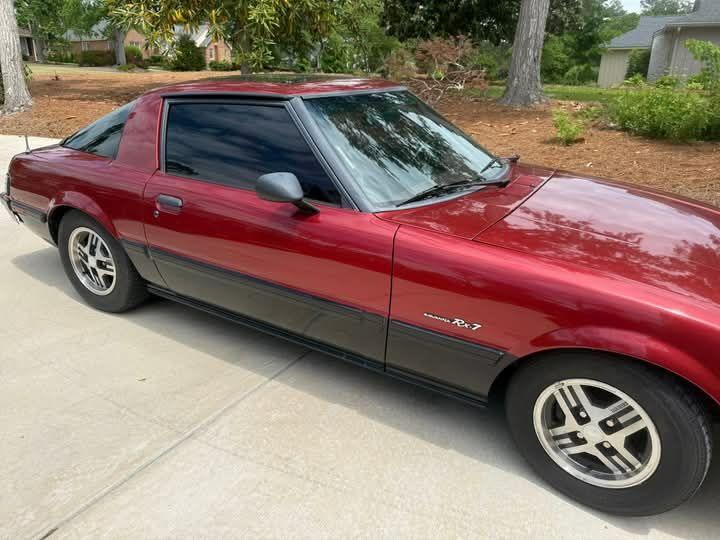
If you’ve recently searched for a 1983 RX7 for sale, you’re not alone. The first-generation Mazda RX7 — especially the well-equipped GSL trim — has become one of the most desirable classic Japanese sports cars on the market.
Lightweight, balanced, and powered by Mazda’s legendary rotary engine, the 1983 RX7 GSL delivers a driving experience that still feels unique decades later. Enthusiasts love its classic styling, smooth high-revving powerband, and analog driving feel that modern sports cars often lack.
But buying a vintage rotary-powered car requires more than a quick visual inspection.
The truth is, many first-gen RX7s have been modified, neglected, poorly stored, or improperly maintained over the years. And while clean examples are becoming more valuable, hidden problems can quickly turn a dream car into an expensive project.
This buyer’s guide covers everything you should inspect before purchasing a 1983 Mazda RX7 GSL, including rotary engine health, rust issues, suspension wear, originality, pricing, and long-term ownership considerations.
Understanding the 1983 Mazda RX7 GSL
1983 RX7 for Sale: Why the GSL Model Stands Out
The 1983 RX7 GSL was one of the most desirable trims in the first-generation FB RX7 lineup.
Compared to base models, the GSL offered several premium features, including:
- Four-wheel disc brakes
- Limited-slip differential
- Alloy wheels
- Upgraded interior trim
- Power accessories
- Improved suspension feel
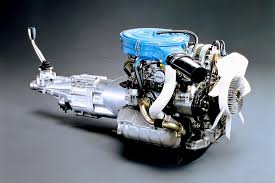
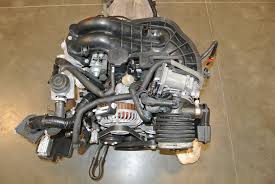
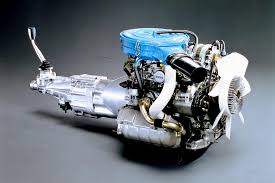
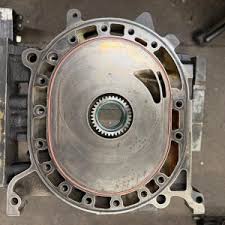
Under the hood sits Mazda’s iconic 12A rotary engine — a compact twin-rotor powerplant known for smooth revving and lightweight performance.
Key specifications include:
- 1.1L twin-rotor 12A engine
- Approximately 100 horsepower
- Rear-wheel drive
- 5-speed manual transmission availability
- Lightweight chassis balance
Today, the 1983 RX7 GSL has become highly collectible among classic JDM enthusiasts.
Why the 1983 RX7 Is Becoming More Valuable
Classic Japanese cars continue gaining popularity worldwide, and the FB RX7 has quietly become one of the strongest rising collector cars in the JDM market.
Reasons Buyers Want the 1983 RX7 GSL
Lightweight Analog Driving Experience
Modern sports cars are heavier and more computerized.
The RX7 offers a raw, connected driving feel many enthusiasts miss.
Rotary Engine Heritage
Mazda’s rotary engine legacy gives the RX7 a cult following unlike almost any other Japanese sports car.
Classic 1980s Styling
The pop-up headlights, low body lines, and simple interior design have aged extremely well.
Increasing Collector Demand
Clean, rust-free RX7 GSL models are becoming harder to find every year.
This has steadily increased market values.
The Most Important Thing to Check: Rotary Engine Compression
When buying any rotary-powered vehicle, compression testing is absolutely critical.
Why Compression Matters
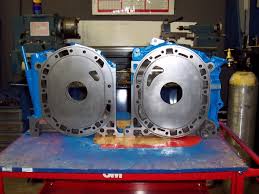
The 12A rotary engine depends heavily on strong internal sealing to perform correctly.
Low compression can indicate:
- Apex seal wear
- Rotor housing damage
- Internal engine wear
- Poor maintenance history
A car may still run and drive with low compression, but expensive rebuilds may be approaching.
Symptoms of Low Compression
Watch for:
- Hard cold starts
- Weak acceleration
- Rough idle
- Excessive smoke
- Poor fuel economy
- Difficulty starting when warm
Always request a rotary-specific compression test before purchasing.
Common Rust Areas on the 1983 RX7
Rust is one of the biggest threats to first-generation RX7s.
Even mechanically healthy cars can become expensive restoration projects if rust damage is severe.
Areas to Inspect Carefully
Rear Wheel Arches
This is one of the most common rust locations.
Rocker Panels
Moisture buildup often causes hidden corrosion.
Spare Tire Well
Check for water intrusion and rust underneath the hatch area.
Floor Pans
Lift carpets and inspect for soft spots or patch repairs.
Battery Tray
Battery acid and trapped moisture frequently damage this area.
Front Frame Rails
Structural rust here can become dangerous and costly to repair.
Original vs Modified RX7s
Many surviving RX7s have aftermarket modifications.
Some upgrades improve reliability and performance, while others reduce value or create problems.
Generally Desirable Modifications
Enthusiasts often appreciate:
- Upgraded cooling systems
- Modern ignition systems
- Quality suspension upgrades
- Tasteful wheel setups
- Professional exhaust systems
Red Flags to Avoid
Be cautious of:
- Poor wiring
- Cheap turbo kits
- Incomplete engine swaps
- Heavy rust hidden by body kits
- Poor-quality paintwork
- Unprofessional engine modifications
Stock or lightly modified cars usually retain the highest collector value.
Inspecting the Cooling System
Rotary engines are extremely sensitive to overheating.
Why Cooling Matters
Even one overheating incident can damage:
- Rotor housings
- Apex seals
- Internal engine tolerances
Inspect the cooling system carefully before buying.
Things to Check
Look for:
- Coolant leaks
- Cracked hoses
- Old radiators
- Overflow tank damage
- Signs of overheating
- Cooling fan operation
A healthy cooling system is essential for rotary longevity.
Transmission and Drivetrain Inspection
The RX7’s lightweight drivetrain generally holds up well, but age can create wear issues.
What to Inspect
Manual Transmission Feel
The 5-speed transmission should shift smoothly without grinding.
Clutch Engagement
A slipping clutch may indicate upcoming replacement costs.
Differential Noise
Listen for whining or clunking during acceleration and deceleration.
Driveshaft Vibrations
Excess vibration may indicate worn mounts or drivetrain issues.
Suspension and Steering Wear
After 40+ years, most RX7 suspension systems require attention.
Common Wear Areas
Inspect:
- Bushings
- Ball joints
- Tie rods
- Shock absorbers
- Steering rack condition
A well-maintained suspension dramatically improves driving feel.
Interior Condition Matters More Than You Think
Interior parts for first-generation RX7s are becoming increasingly difficult to source.
What to Check
Dashboard Cracks
Sun exposure commonly damages original dashboards.
Seat Condition
Factory GSL seats are valuable and increasingly rare.
Electronics
Test:
- Power windows
- Gauges
- Lighting
- Climate controls
- Radio systems
How Much Is a 1983 RX7 GSL Worth?
Pricing varies heavily depending on:
- Rust condition
- Compression health
- Originality
- Mileage
- Modifications
- Documentation
General Price Ranges
Project Cars
- $3,000–$7,000
Clean Drivers
- $10,000–$20,000
Fully Restored or Low-Mileage Examples
- $25,000+
Rare, well-preserved GSL models continue appreciating steadily.
Best Questions to Ask the Seller
Before buying, ask:
- Has the engine been rebuilt?
- Are compression numbers available?
- Has the car ever overheated?
- Is there any hidden rust?
- Are maintenance records included?
- Is the car mostly original?
- Has it been stored indoors?
Detailed answers usually indicate a knowledgeable owner.
Is the 1983 RX7 Reliable?
Yes — when maintained properly.
The Key to Rotary Reliability
Rotary engines reward owners who:
- Check oil regularly
- Maintain cooling systems
- Use quality ignition components
- Warm the engine properly
- Drive the car consistently
Neglect is the biggest enemy of rotary longevity.
Should You Buy a Restored or Original RX7?
Both options have advantages.
Original Cars
Pros:
- Higher collector appeal
- Better long-term value
- Authentic driving experience
Cons:
- May require restoration work
- Older components
Restored Cars
Pros:
- Better reliability
- Updated systems
- Easier daily driving
Cons:
- Restoration quality varies
- Some modifications reduce originality
Always prioritize documentation and build quality.
Why the RX7 GSL Is a Smart Classic Car Purchase
The 1983 RX7 GSL occupies a unique place in the classic Japanese market.
It offers:
- Lightweight performance
- Rotary heritage
- Rising collector demand
- Strong enthusiast support
- Timeless styling
Compared to many other vintage sports cars, the RX7 still offers relatively accessible pricing.
That may not last forever.
FAQ Section
Is the 1983 RX7 GSL a good investment?
Yes. Clean, rust-free examples continue appreciating as demand for classic Japanese sports cars grows.
What engine does the 1983 RX7 GSL have?
The 1983 RX7 GSL uses Mazda’s 12A twin-rotor rotary engine.
How do I know if an RX7 engine is healthy?
Compression testing is the best way to evaluate rotary engine condition.
Are first-generation RX7s reliable?
Yes, when properly maintained. Cooling system care and regular oil checks are extremely important.
What is the biggest problem with old RX7s?
Rust and low compression are the two biggest concerns when buying a vintage RX7.
Conclusion
Finding the right 1983 RX7 for sale takes patience, research, and careful inspection. While the first-generation RX7 remains one of the most rewarding classic Japanese sports cars to own, condition matters far more than mileage alone.
A rust-free chassis with healthy compression is almost always worth paying extra for.
The good news is that well-maintained RX7 GSL models continue to gain collector interest, making them enjoyable cars to drive and potentially smart long-term investments.
For enthusiasts who appreciate lightweight handling, rotary character, and vintage JDM styling, few cars deliver the same experience as a properly sorted 1983 Mazda RX7 GSL.
Looking for a quality 1983 RX7 for sale, rotary engine parts, RX7 upgrades, or classic Mazda performance components?
Browse our inventory of tested rotary engines, RX7 performance parts, ignition upgrades, cooling systems, and hard-to-find classic Mazda components today.
Ignore section
1983 RX7 for sale
1983 RX7 for sale
1983 RX7 for sale
1983 RX7 for sale
1983 RX7 for sale
1983 RX7 for sale
1983 RX7 for sale
1983 RX7 for sale
1983 RX7 for sale
1983 RX7 for sale