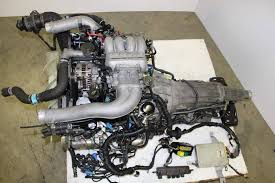
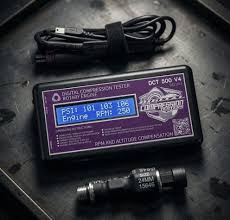
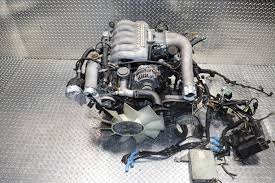
Best Oil Weight for Rotary Engines: 5W30, 10W40 or 20W50?
Rotary engines are unlike traditional piston engines, and that means oil selection matters far more than most owners realize. Choosing the best oil weight for rotary engines can directly impact apex seal longevity, cold starts, compression, oil consumption, and overall engine reliability.
Whether you own a Mazda RX-7, RX-8, 13B turbo setup, or even a 20B build, using the wrong oil viscosity can shorten engine life and create unnecessary wear. One of the most debated topics in the rotary community is whether 5W30, 10W40, or 20W50 is the ideal oil weight.
The answer depends on your climate, driving style, engine condition, and whether your setup is stock, street ported, bridge ported, or turbocharged.
In this guide, we’ll break down exactly how each oil weight performs in rotary engines, the pros and cons of each viscosity, and which option makes the most sense for your specific setup.
Why the Best Oil Weight for Rotary Engines Matters
Rotary engines depend heavily on oil for both lubrication and sealing. Unlike piston engines, rotary engines inject oil directly into the combustion chamber to lubricate apex seals.
That means the oil must:
- Lubricate eccentric shaft bearings
- Protect apex seals
- Handle high temperatures
- Burn cleanly
- Maintain compression
- Resist breakdown under boost
Choosing the wrong oil weight can lead to:
- Excessive oil consumption
- Poor cold starts
- Increased carbon buildup
- Reduced compression
- Premature apex seal wear
- Lower fuel economy
- Engine overheating
This is why rotary enthusiasts pay close attention to viscosity ratings.
Understanding Oil Weights in Rotary Engines
Before comparing 5W30, 10W40, and 20W50, it helps to understand what these numbers actually mean.
Example: 10W40
- The first number (10W) represents cold-start viscosity.
- The second number (40) represents viscosity at operating temperature.
Lower first numbers flow better during cold starts.
Higher second numbers provide thicker protection when the engine gets hot.
Rotary engines typically operate at higher temperatures than piston engines, especially turbocharged 13B and 20B setups.
That’s why oil selection becomes critical.
Best Oil Weight for Rotary Engines: 5W30 vs 10W40 vs 20W50
5W30 Rotary Oil Explained
5W30 is one of Mazda’s factory-recommended oil weights for many RX-8 applications.
Benefits of 5W30
- Excellent cold-start protection
- Fast oil circulation
- Better fuel economy
- Cleaner combustion
- Reduced carbon buildup
- Ideal for colder climates
Downsides of 5W30
- Can thin out under heavy heat
- Less ideal for aggressive driving
- Not the best option for high-boost turbo builds
- Increased oil consumption in worn engines
Best Applications for 5W30
5W30 works best for:
- Stock RX-8 engines
- Daily-driven rotary cars
- Cold-weather climates
- Healthy low-mileage engines
If your Renesis engine is in excellent condition and you live in a cooler environment, 5W30 can work very well.
Is 10W40 the Best Oil Weight for Rotary Engines?
For many rotary enthusiasts, 10W40 hits the sweet spot.
It offers a balance between cold-start flow and high-temperature protection.
Benefits of 10W40
- Better heat resistance than 5W30
- Stronger oil film protection
- Excellent for spirited driving
- Popular for turbo rotary builds
- Reduces oil thinning under boost
- Good all-around viscosity
Downsides of 10W40
- Slightly thicker during cold starts
- Minor fuel economy reduction
- Can increase drag slightly
Best Applications for 10W40
10W40 is often ideal for:
- RX-7 FD3S
- Turbocharged 13B engines
- Street port builds
- Mild bridge port engines
- Warm climates
- Weekend performance cars
Many rotary tuners consider 10W40 the safest “universal” rotary oil weight.
Should You Use 20W50 in a Rotary Engine?
20W50 is a much thicker oil designed primarily for hot climates and worn engines.
Some rotary owners swear by it, while others avoid it completely.
Benefits of 20W50
- Excellent high-temperature protection
- Strong oil pressure stability
- Reduces oil burning
- Helps older engines maintain compression
- Good for track use
Downsides of 20W50
- Poor cold-start lubrication
- Slower oil flow
- Can increase wear during startup
- Reduces fuel economy
- Too thick for many modern rotary setups
Best Applications for 20W50
20W50 works best for:
- High-mileage rotary engines
- Loose-clearance race motors
- Extremely hot climates
- Dedicated track cars
- Older 12A or carbureted rotary builds
For most daily-driven RX-7 and RX-8 owners, 20W50 is often unnecessarily thick.
Which Oil Weight Is Best for RX-7 Rotary Engines?
FC RX-7 & FD RX-7
Turbocharged RX-7 engines generate serious heat.
Most experienced rotary builders recommend:
- 10W40 for street-driven turbo cars
- 15W50 for aggressive track use
- 20W50 only in extremely hot environments
Popular choices include:
- Idemitsu Rotary Premix
- Valvoline VR1
- Motul 8100
- Shell Rotella T6
- Lucas Hot Rod Oil
Which Oil Weight Is Best for RX-8 Engines?
The RX-8 Renesis engine has tighter tolerances and unique oiling requirements.
Best Oil Weight for RX-8
For most owners:
- 5W30 works well in colder climates
- 10W40 works better in warmer climates
- Avoid extremely thick oil unless the engine is worn
Many RX-8 owners also premix two-stroke oil for added apex seal protection.
Climate Matters More Than Most Rotary Owners Think
Your local temperature plays a major role in oil selection.
Cold Climates
Best choices:
- 5W30
- 0W30
- 5W40
These oils flow quickly during startup and reduce cold-start wear.
Warm Climates
Best choices:
- 10W40
- 15W40
These offer better high-temperature stability.
Extremely Hot Climates or Track Use
Best choices:
- 15W50
- 20W50
Thicker oils can help maintain oil pressure under extreme heat.
Synthetic vs Conventional Oil for Rotary Engines
This debate continues in the rotary community.
Synthetic Oil Benefits
- Better heat resistance
- Longer oil life
- Cleaner operation
- Superior protection
Conventional Oil Benefits
- Burns cleaner in OMP systems
- Less carbon buildup
- Lower cost
Many rotary owners compromise by using:
- Synthetic oil + premix
- Semi-synthetic oil
- Dedicated rotary-specific oils
Common Rotary Engine Oil Mistakes
Using Oil That’s Too Thick
Many owners assume thicker oil always means better protection.
That’s not always true.
Excessively thick oil can:
- Starve apex seals during startup
- Reduce lubrication flow
- Increase engine wear
Ignoring Oil Consumption
Rotary engines naturally consume oil.
That’s normal.
Never assume your engine has a problem simply because oil levels drop between changes.
Always monitor levels carefully.
Extending Oil Change Intervals Too Long
Rotary engines contaminate oil faster than piston engines.
Recommended intervals:
- Every 2,000–3,000 miles for aggressive driving
- Every 3,000–4,000 miles for normal use
Best Oil Brands for Rotary Engines in 2026
Popular rotary-approved oils include:
- Idemitsu Rotary Oil
- Valvoline VR1
- Motul 8100 X-Cess
- Shell Rotella T6
- Red Line High Performance Oil
- Driven Racing Oil
- Lucas Hot Rod & Classic Oil
Always choose high-zinc oils for older rotary engines whenever possible.
Recommended Oil Weight by Rotary Setup
| Engine Setup | Recommended Oil |
|---|---|
| Stock RX-8 | 5W30 or 10W40 |
| Turbo RX-7 FD | 10W40 |
| Street Port 13B | 10W40 |
| Bridge Port 13B | 10W40 or 15W50 |
| Track-Only Rotary | 15W50 or 20W50 |
| High-Mileage Rotary | 15W40 or 20W50 |
| Cold Climate RX-8 | 5W30 |
FAQ Section
What is the best oil weight for rotary engines?
For most rotary engines, 10W40 provides the best balance of protection, temperature resistance, and drivability.
Is 5W30 too thin for rotary engines?
Not necessarily. 5W30 works well for stock RX-8 engines in colder climates, especially low-mileage cars.
Is 20W50 good for rotary engines?
20W50 can work well in older or high-mileage rotary engines, but it may be too thick for daily-driven modern setups.
Should rotary engines use synthetic oil?
Many rotary owners use synthetic oil successfully, especially when combined with premix for apex seal protection.
How often should rotary engine oil be changed?
Most rotary owners change oil every 2,000–4,000 miles depending on driving conditions and engine setup.
Internal Linking Suggestions
- Best Premix Oil for Rotary Engines
- RX7 13B Compression Test Guide
- 20B vs 13B Rotary Engine Comparison
External Authority Suggestions
Reference trusted sources such as:
- Mazda factory service manuals
- Racing Beat
- Atkins Rotary
- Idemitsu Lubricants
- Rotary-specific tuning forums
Conclusion
Choosing the best oil weight for rotary engines isn’t about following trends — it’s about matching the oil to your specific setup, climate, and driving style.
For most rotary enthusiasts, 10W40 offers the best all-around protection and reliability. However, 5W30 remains excellent for stock RX-8s in colder climates, while 20W50 still has a place in older or track-focused builds.
The key is consistency. Use quality oil, monitor levels frequently, and change it regularly. Rotary engines reward owners who stay proactive with maintenance.
When properly lubricated, a rotary engine can remain smooth, responsive, and incredibly enjoyable for years.
Looking for rotary engine parts, rebuilt 13B engines, premix solutions, or RX-7/RX-8 performance upgrades?
Browse our latest rotary inventory and expert-tested components designed specifically for Mazda rotary enthusiasts. Whether you’re maintaining a daily-driven RX-8 or building a high-horsepower 20B swap, we have the parts and expertise to help keep your rotary running strong.
Ignore section
best oil weight for rotary engines
best oil weight for rotary engines
best oil weight for rotary engines
best oil weight for rotary engines
best oil weight for rotary engines
best oil weight for rotary engines
best oil weight for rotary engines
best oil weight for rotary engines
best oil weight for rotary engines
best oil weight for rotary engines