RX-8 Engine Reliability Guide: How Long Does the Renesis Rotary Engine Last?
The Mazda RX-8 remains one of the most unique sports cars ever built. Thanks to its lightweight chassis, near-perfect weight distribution, and high-revving rotary engine, the RX-8 delivers a driving experience unlike anything else on the road.
However, one question continues to follow the car years after production ended: How good is RX-8 engine reliability?
Some enthusiasts claim the Renesis rotary engine is unreliable, while others report well over 100,000 miles without major issues. The truth lies somewhere in the middle. The RX-8’s engine can be extremely rewarding and surprisingly durable when maintained properly, but it also requires more attention than a traditional piston engine.
In this guide, we’ll break down how long the RX-8 engine typically lasts, the factors that affect reliability, common failures, maintenance requirements, and whether buying an RX-8 in 2026 still makes sense.
RX-8 Engine Reliability: How Long Does the Renesis Rotary Engine Last?
The answer depends almost entirely on maintenance history and ownership habits.
A well-maintained RX-8 Renesis engine can often last:
- 80,000–120,000 miles before requiring a rebuild
- 130,000+ miles with excellent maintenance
- Less than 60,000 miles if neglected
Unlike conventional engines, rotary engines experience wear differently. The apex seals, side seals, rotor housings, ignition components, and lubrication system all play major roles in longevity.
Many reliability complaints surrounding the RX-8 originated from owners unfamiliar with rotary engine maintenance. Cars that receive proper oil changes, ignition servicing, and compression monitoring tend to have significantly longer engine life.
Quick Reliability Summary
| Category | Rating |
|---|---|
| Performance | Excellent |
| Maintenance Requirements | Above Average |
| Fuel Economy | Poor |
| Reliability When Maintained | Good |
| Reliability When Neglected | Poor |
| Longevity Potential | 100,000+ Miles |
Understanding the Renesis Rotary Engine
The RX-8 uses Mazda’s naturally aspirated 13B-MSP Renesis engine.
Unlike previous RX-7 rotary engines, the Renesis moved the exhaust ports to the side housings. This design improved emissions compliance and fuel economy while increasing horsepower.
Depending on market and year, the Renesis produced:
- 192 horsepower (4-port version)
- 232 horsepower (6-port version)
The engine revs effortlessly beyond 9,000 RPM and remains one of the smoothest naturally aspirated engines ever produced.
However, this engineering comes with unique maintenance requirements.
Why the RX-8 Earned a Reputation for Poor Reliability
The RX-8’s reputation often stems from misunderstandings rather than actual design flaws.
Many early owners treated the rotary like a conventional piston engine.
Common mistakes included:
- Skipping oil checks
- Using incorrect oil
- Ignoring ignition maintenance
- Frequent short trips
- Improper cold starts
- Delayed spark plug replacement
These habits significantly reduce engine life.
In reality, most rotary specialists agree that the majority of catastrophic failures result from neglect rather than inherent design weaknesses.
Most Common RX-8 Engine Problems
Low Compression
Low compression is the most common cause of Renesis engine failure.
Compression naturally decreases as apex seals wear over time.
Symptoms include:
- Hard starting
- Poor hot starts
- Rough idle
- Reduced power
- Increased fuel consumption
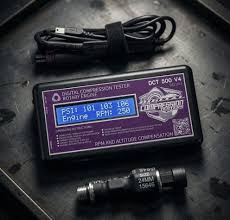
A compression test is the single most important indicator of RX-8 engine health.
Ignition System Failures
The Renesis is extremely sensitive to ignition performance.
Failing:
- Coil packs
- Spark plugs
- Plug wires
can quickly lead to incomplete combustion and carbon buildup.
Many experienced RX-8 owners replace ignition components proactively every 25,000–40,000 miles.
Flooding
Flooding occurs when excess fuel accumulates inside the engine.
This often happens when:
- The engine is started cold
- The vehicle is shut off immediately afterward
Flooding can make restarting difficult and may require special procedures to clear.
Oil Consumption
All rotary engines consume oil by design.
The oil metering system injects oil directly into the combustion chamber for seal lubrication.
Typical consumption ranges from:
- 1 quart every 1,000–3,000 miles
Owners who fail to monitor oil levels risk severe engine damage.
Catalytic Converter Failure
A rich fuel mixture or ignition problems can damage the catalytic converter.
Symptoms include:
- Power loss
- Excessive heat
- Check engine lights
- Restricted exhaust flow
Addressing ignition issues early helps prevent expensive catalytic converter replacement.
What Mileage Is High for an RX-8?
Mileage alone doesn’t tell the full story.
A 140,000-mile RX-8 with documented maintenance and strong compression may be a better purchase than a neglected 50,000-mile example.
When evaluating an RX-8, focus on:
- Compression numbers
- Service records
- Oil change history
- Ignition maintenance
- Previous rebuilds
Compression health matters far more than odometer readings.
How to Make an RX-8 Engine Last Longer
Owners who achieve exceptional longevity usually follow a strict maintenance routine.
Check Oil Frequently
Rotary engines consume oil normally.
Best practice:
- Check oil every fuel fill-up
- Top off when necessary
- Never allow oil levels to run low
Warm the Engine Properly
Avoid aggressive driving until:
- Coolant reaches operating temperature
- Oil temperature stabilizes
Proper warm-up reduces long-term wear.
Replace Ignition Components Regularly
The ignition system is critical.
Preventive replacement of:
- Coils
- Spark plugs
- Plug wires
helps maintain efficient combustion and reduces carbon buildup.
Avoid Excessive Short Trips
Short drives prevent complete engine warm-up.
Whenever possible:
- Drive the car long enough to reach full operating temperature
- Allow carbon deposits to burn off naturally
Monitor Compression
Compression testing every few years provides valuable insight into engine health.
This allows owners to identify wear before major problems develop.
Is the RX-8 Reliable as a Daily Driver?
The answer depends on expectations.
An RX-8 can absolutely serve as a daily driver when:
- Properly maintained
- Driven regularly
- Monitored closely
However, it requires more owner involvement than a typical economy car.
Drivers seeking low-maintenance transportation may find the RX-8 frustrating.
Enthusiasts who enjoy vehicle maintenance often find the ownership experience highly rewarding.
RX-8 Reliability Compared to Other Sports Cars
RX-8 vs Nissan 350Z
The 350Z generally requires less maintenance.
However, the RX-8 offers:
- Better chassis balance
- Rear seating
- Unique rotary character
RX-8 vs Subaru WRX
The WRX typically delivers better longevity under neglect.
The RX-8 provides:
- Higher revving experience
- Superior steering feel
- More exotic engine design
RX-8 vs Mazda MX-5 Miata
The Miata wins for simplicity and reliability.
The RX-8 wins for:
- Engine uniqueness
- Practicality
- High-RPM excitement
Should You Buy a High-Mileage RX-8?
A high-mileage RX-8 isn’t automatically a bad purchase.
Before buying:
Ask for Compression Results
This should be your first request.
Healthy compression numbers indicate strong engine condition.
Review Service Records
Look for evidence of:
- Oil changes
- Ignition replacements
- Cooling system maintenance
- Compression testing
Inspect Cold and Hot Starts
Pay attention to:
- Starting behavior
- Idle quality
- Smoke
- Engine noises
Starting issues often indicate compression problems.
Signs of a Healthy RX-8 Engine
A healthy Renesis typically exhibits:
- Fast cold starts
- Easy hot starts
- Smooth idle
- Strong acceleration
- Consistent oil pressure
- Minimal smoke
- Good compression readings
If these characteristics are present, the engine likely has significant life remaining.
Is a Rebuilt RX-8 Engine More Reliable?
In many cases, yes.
A professionally rebuilt engine can provide:
- New apex seals
- Refreshed housings
- Updated components
- Improved reliability
The key is verifying:
- Who performed the rebuild
- What parts were used
- Whether documentation exists
Quality matters significantly.
The Real Cost of RX-8 Ownership
Potential owners should budget for:
- Regular oil changes
- Ignition maintenance
- Compression testing
- Occasional rebuilds
Despite these costs, many enthusiasts consider the driving experience worth every penny.
The RX-8 remains one of the most engaging sports cars available for the money.
Internal Linking Suggestions
Link this article to:
External Authority Suggestions
Consider referencing:
- Mazda factory service manuals
- Rotary Performance
- Racing Beat
- Atkins Rotary
- Mazda Motorsports technical resources
FAQ Section
Is the RX-8 engine reliable?
Yes, RX-8 engine reliability can be good when the engine receives proper maintenance. Most major failures occur due to neglected oil levels, ignition issues, or lack of compression monitoring.
How many miles does an RX-8 engine last?
Most Renesis engines last between 80,000 and 120,000 miles before needing a rebuild. Well-maintained examples can exceed 130,000 miles.
What is the biggest RX-8 engine problem?
Low compression caused by apex seal wear is the most common long-term issue affecting the Renesis engine.
Can an RX-8 be a reliable daily driver?
Yes. Many owners daily drive RX-8s successfully. Consistent maintenance and regular monitoring are essential.
How often should RX-8 ignition coils be replaced?
Most rotary specialists recommend replacing ignition coils every 25,000–40,000 miles to maintain engine performance and reliability.
Should I buy an RX-8 with over 100,000 miles?
High mileage is acceptable if compression is healthy and maintenance records are available. Compression numbers are more important than mileage alone.
Conclusion
RX-8 engine reliability is often misunderstood. While the Renesis rotary engine demands more attention than a conventional piston engine, it can provide many years of dependable service when properly maintained.
The biggest factor influencing longevity isn’t the design itself—it’s the owner. Regular oil checks, ignition maintenance, proper warm-up procedures, and compression testing can dramatically extend engine life.
For enthusiasts willing to learn the unique needs of rotary ownership, the RX-8 remains one of the most rewarding sports cars Mazda ever produced.
Looking for a quality RX-8 engine, rotary parts, or a professionally rebuilt Renesis motor? Browse our inventory of tested Mazda rotary engines and components. Whether you’re restoring an RX-8, replacing a worn engine, or building your dream rotary project, our team can help you find the right solution with confidence.
Ignore section
RX-8 engine reliability
RX-8 engine reliability
RX-8 engine reliability
RX-8 engine reliability
RX-8 engine reliability
RX-8 engine reliability
RX-8 engine reliability
RX-8 engine reliability
RX-8 engine reliability